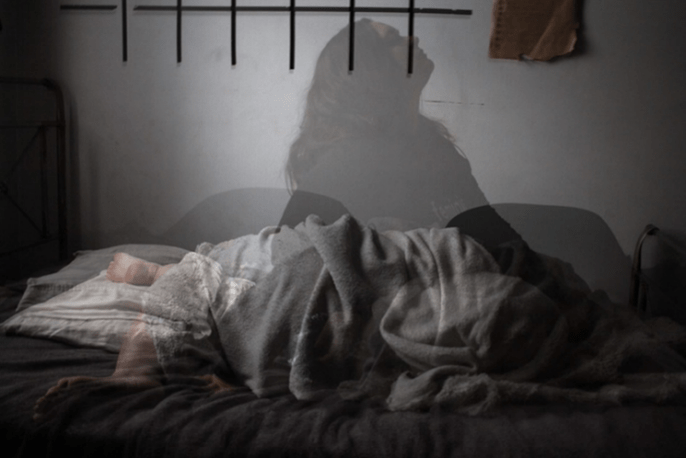
Have you ever lain in bed, staring at the ceiling at 3 AM, wondering if you’ll ever sleep again? If so, you’re definitely not alone. Insomnia has quietly become a major issue in our society, and the numbers are pretty staggering. According to a 2018 study, between 2002 and 2012, insomnia symptoms jumped from 15.6% to 17.1% of the population. That might not sound like much, but when you’re talking about millions of people, it’s huge.
And it’s not just about our phones keeping us awake (though they definitely don’t help). We’re talking in this 24-hour society with irregular work schedules, constant stress, and higher rates of health issues like obesity and diabetes. The same study attributes this increase to our growing “frequency of technology use, higher rates of obesity and diabetes, increases in irregular work hours, and work stress.”
The Story That Opened My Eyes
I recently read Samantha Harvey’s memoir, The Shapeless Unease, and honestly, it completely changed how I think about insomnia. Harvey spent an entire year—365 days— battling severe insomnia in 2016. And when I say battling, I mean she tried everything. Medication, therapy, diet changes, and even moving to a different place. Nothing worked.
But when she went to the doctors for help, they dismissed her concerns. They treated her symptoms like they were all in her head or like she was being overly dramatic. Sound familiar?
The Numbers Don’t Lie

Looking at the CDC data from 2020, Harvey fit perfectly into the demographics of the most affected by insomnia: she was in her early forties, non-Hispanic white, and a woman. Women are 17.1% more likely to suffer from insomnia compared to men. That’s not a small difference.
And if you look at Google’s N-gram data on how often “insomnia” appears in literature over the past decade, there has been a clear increase. We’re not just seeing more cases—we’re talking about it and writing about it more. That tells me this is hitting a nerve.
The Medical Gaslighting Problem
Here’s where things get really frustrating. Harvey writes about how “women are far more likely to be told by a doctor that their symptoms are stress, while men’s symptoms will be investigated and more often referred.” Instead of getting real medical attention, women get told to do breathing exercises and practice meditation. As if we just need to chill out and everything will be fine.
This isn’t anything new. Back in 1892, Charlotte Perkins Gilman wrote “The Yellow Wallpaper,” where the narrator says, “You see he does not believe I am sick! And what can one do? If a physician of high standing, and one’s own husband, assures friends and relatives that there is really nothing the matter with one but temporary nervous depression—a slight hysterical tendency—what is one to do?”
That was written over 130 years ago. And yet, here we are, still dealing with the same dismissive attitudes and patterns towards women’s health concerns.
When Sleep Deprivation Gets Scary
The thing about severe insomnia is that it’s not just about being tired. When you’re severely sleep-deprived, your brain starts playing tricks on you. Harvey describes seeing a human figure with ram horns in her doorway, debating whether conversations with friends actually happened or if they were hallucinations. She talks about banging her head against walls and having thoughts of giving up entirely
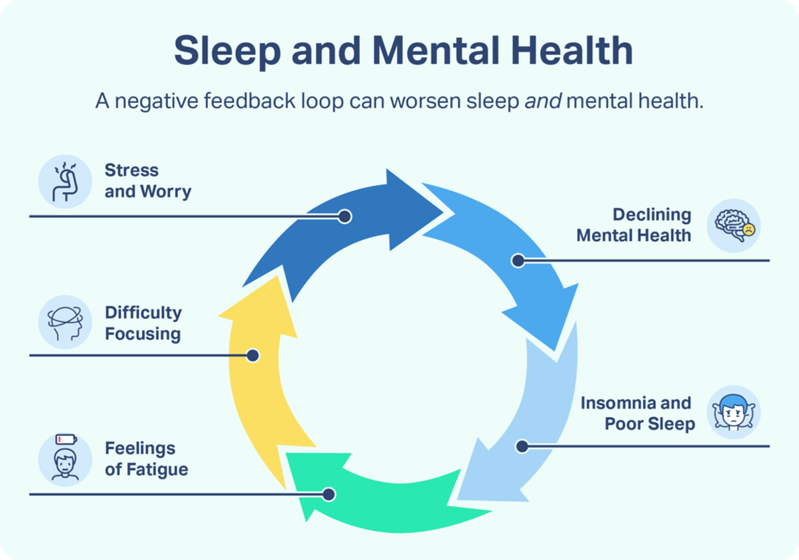
This is what sleep deprivation psychosis looks like—hallucinations, delusional thinking, and in extreme cases, thoughts of self-harm. It creates this vicious cycle: stress causes insomnia, insomnia worsens mental health, poor mental health increases stress, and around and around it goes.
Why Writing About It Matters
This is where I think literature becomes so powerful. When someone like Harvey writes about feeling like “her existence is a blur” and being unable to distinguish reality from delusion, most of us can’t really grasp what that means. But when you pair that description with blurred, disorienting images, suddenly you get a better understanding of what that experience feels like.
I’ve been dealing with insomnia for about five years now, and I can’t tell you how many times I’ve tried to explain to family and friends what it’s really like. Most people just suggest the usual—no caffeine after 2 PM, meditation apps, chamomile tea. They mean well, but they don’t get it because they haven’t lived it.
That’s where literature, data, images, and representations help bridge that gap between experience and understanding. They give voice to people whose struggles might otherwise be invisible and dismissed. This is why it is important for us to continue to write about our experiences.
Moving Forward
The increase in insomnia isn’t just a personal health issue—it’s a societal one. And the fact that women are disproportionately affected while also being more likely to have their symptoms dismissed? That’s a problem we need to address on multiple levels.
We need doctors who take women’s health concerns seriously. We need research that doesn’t treat women’s experiences as secondary or hysterical. And we need stories like Harvey’s that show the real, complex reality of what conditions like severe insomnia actually looks like.
Most importantly, we need to keep talking about these issues, keep writing about them, and keep finding new ways to make invisible struggles visible. Because when we do that, we create the possibility for real understanding and real solutions.




 Kat McAdaragh
Leave a reply to wanderingmattlarson Cancel reply