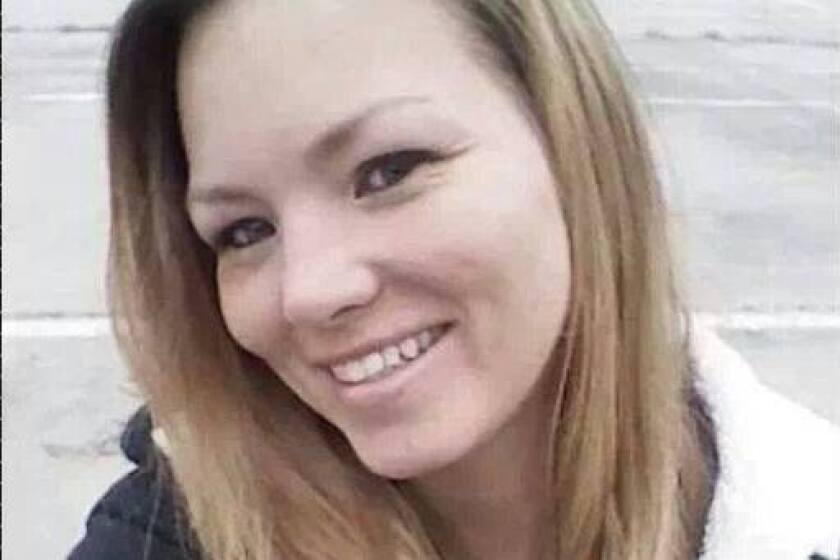
In August 2013, Rachel Lucille Cyriacks was trying to leave a marriage that had become dangerous. Just three months later, the 30-year-old mother of three vanished from eastern South Dakota. More than a decade later, her case remains unsolved—despite documented domestic violence, a damaged truck found hidden on rural property, and renewed searches that investigators say have brought them closer than ever to answers.
This is Rachel’s story.
Who Was Rachel Cyriacks?
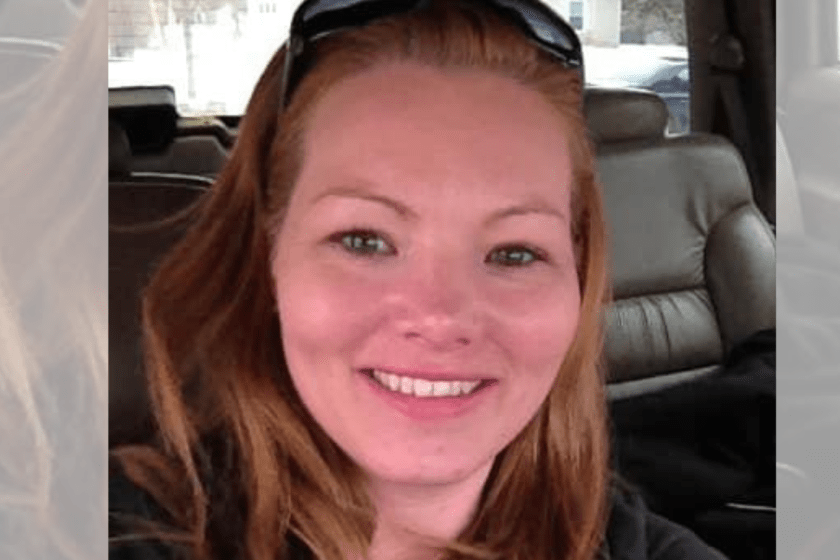
Rachel Cyriacks was 30 years old when she disappeared. According to her mother, Mary, she was a bit of a tomboy growing up, but also creative—someone who loved writing poetry and drawing. Rachel married young and was the devoted mother of three children. Like many survivors of domestic abuse, her life was complicated; she struggled at times with substance use, but she deeply loved her kids and was actively trying to build a safer future for them.
Rachel was last seen driving a gray 1995 Chevy Silverado pickup. She had surgical scars on her abdomen, a dimple on her right cheek, and several distinctive tattoos, including the name “Bradley” on her neck—an unsettling reminder of the relationship she was trying to escape.
A Marriage Marked by Violence
In August 2013, Rachel filed a restraining order against her husband, Brad Cyriacks, citing severe abuse. In court documents, she stated that Brad had hit her, dragged her by her hair, and threatened her with a knife. She told the court that he slept “with a knife in one hand and me in the other,” and that the couple was in the middle of a divorce he did not want.
After the protection order was granted, the threats allegedly escalated. Rachel reported that Brad told her he would bury her where no one could find her. She described multiple graphic threats, including suffocating her, burning her remains, encasing her body in cement, feeding her to hogs, or dumping her body in a well less than a mile from areas searched years later. On one occasion, she escaped after being punched and ran to a nearby home where a woman called 911.
Despite the severity of these allegations, the protection order was eventually dropped when Rachel did not appear in court to extend it.
Warning Signs Before She Vanished
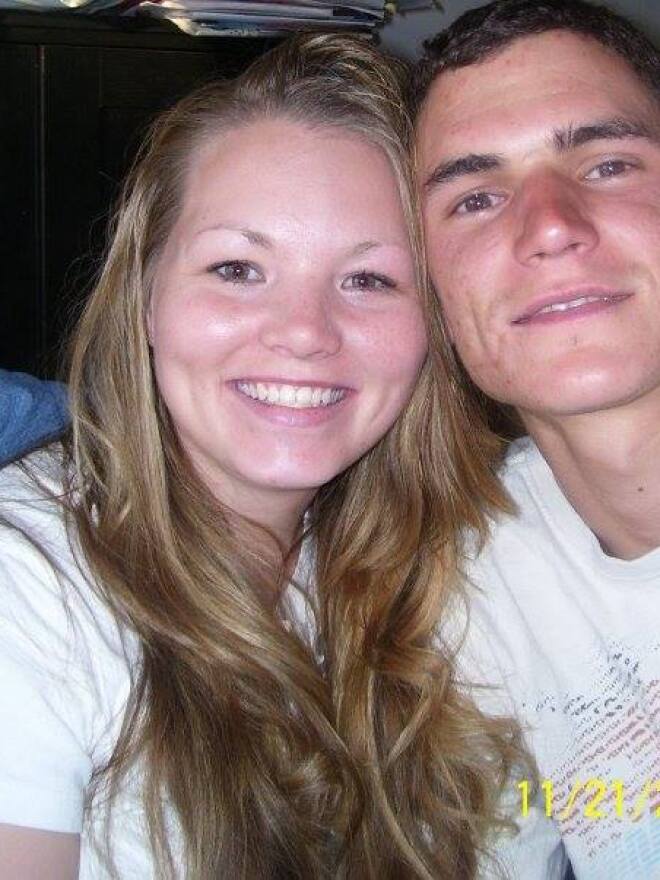
In September and October of 2013, Brad posted publicly on Facebook about being with a “beautiful woman” and how lucky he was to have her by his side. Behind the scenes, the relationship was unraveling.
On October 31, 2013—Rachel’s birthday—Brad allegedly assaulted her again. He was arrested and taken to the Beadle County Jail in Huron, South Dakota. Rachel, then, appeared in divorce court with her mother, Mary. When the judge wanted to hear Brad’s side before granting a divorce, Rachel reportedly said, “He’ll just kill me, I guess.”
Brad was released from jail on November 13, 2013.
November 13, 2013: The Last Day
On November 13th, Rachel picked Brad up from jail. According to Brad’s account, she drove him to their home in Woonsocket, then later dropped him off at a friend’s house in Huron, SD. He claimed that was the last time he saw her. Police later noted that it took multiple interviews for Brad to admit Rachel had done this at all.
That same day, Rachel was last seen in Mitchell, South Dakota, at her temporary job at Performance Pets. She was driving her silver-and-black 1995 Chevy Silverado. Investigators later confirmed her phone stopped pinging on November 13th.
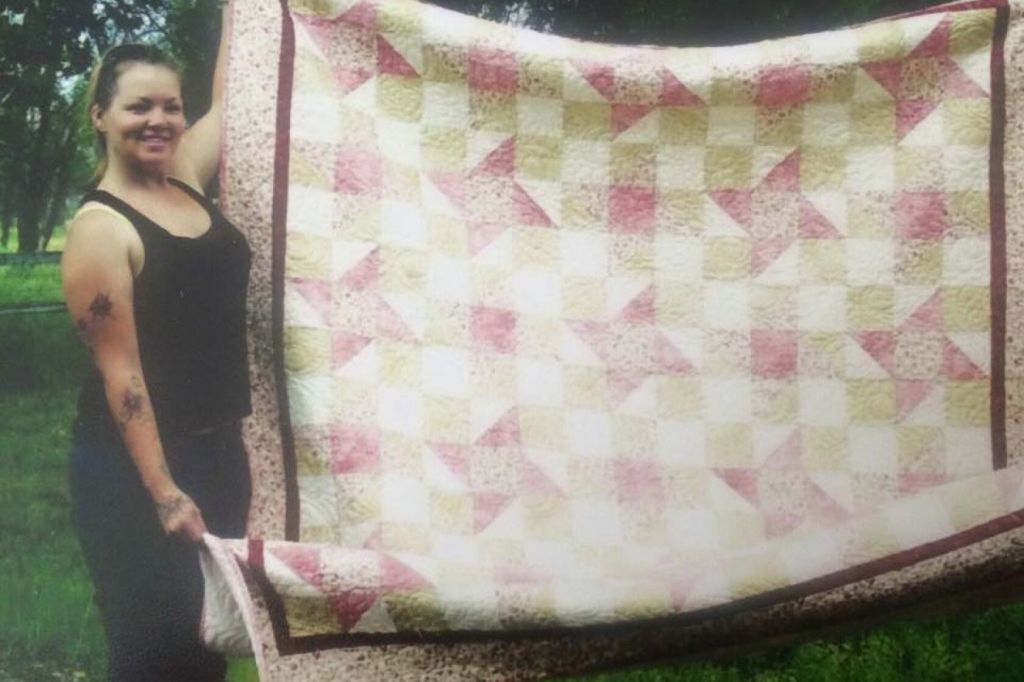
Around this time, a quilt Rachel treasured—a pink, tan, and white quilt described slightly differently across reports—also went missing from her home. It vanished at the same time Rachel did.
Rachel never came home.
A Delayed Response
November 14, 2013, was Rachel’s mother’s birthday. Rachel didn’t call. The next day, Mary texted her daughter and received no response. About a week later, Mary went to Rachel’s house to look for her. She found no obvious signs of a struggle or anything unusual.
On December 6, 2013, nearly three weeks after Rachel was last seen, Mary reported her missing. Authorities initially suggested Rachel may have left voluntarily. Mary knew better. By late December, police began to investigate more seriously.
A Truck Found, But No Rachel
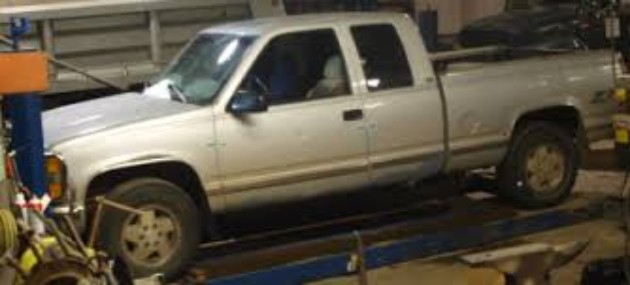
On January 9, 2014, Rachel’s pickup truck was discovered on a bee farm near Huron—property owned by the family of the friend Brad said Rachel dropped him off with the day she disappeared. The truck was hidden behind a Quonset building, out of sight. It was badly damaged, with severe undercarriage damage, a removed drivetrain, and was not operable.
Brad told investigators he and a friend had been repairing the truck and driving it regularly after Rachel dropped him off. Rachel herself was nowhere to be found.
What has continued to raise troubling questions is the timeline. Rachel was last seen driving her truck on November 13, 2013, yet the vehicle was not discovered until January 9, 2014—nearly three months later. During that entire period, Rachel was missing, and Brad did not initially disclose to investigators that the truck was in his possession or being used. It was only after questioning that this information emerged, leaving the public to question why the existence and location of the truck were not volunteered sooner, and what those missing months may have concealed.
Vandalism, Searches, and Years Without Answers
In April 2014, Rachel’s home was vandalized. A window, a table, and a light fixture were broken. Nothing was stolen. Graffiti on the front of the house reads “riverside for life” along with an expletive.
Police searched the James River near Huron in September 2015. In July 2016, they searched a location in Beadle County using ground-penetrating radar, including land near the Griffith farm. No significant evidence was recovered.
By the fifth anniversary of Rachel’s disappearance in November 2018, law enforcement acknowledged they were still chasing leads, but no closer to resolving the case.
Renewed Hope and New Searches
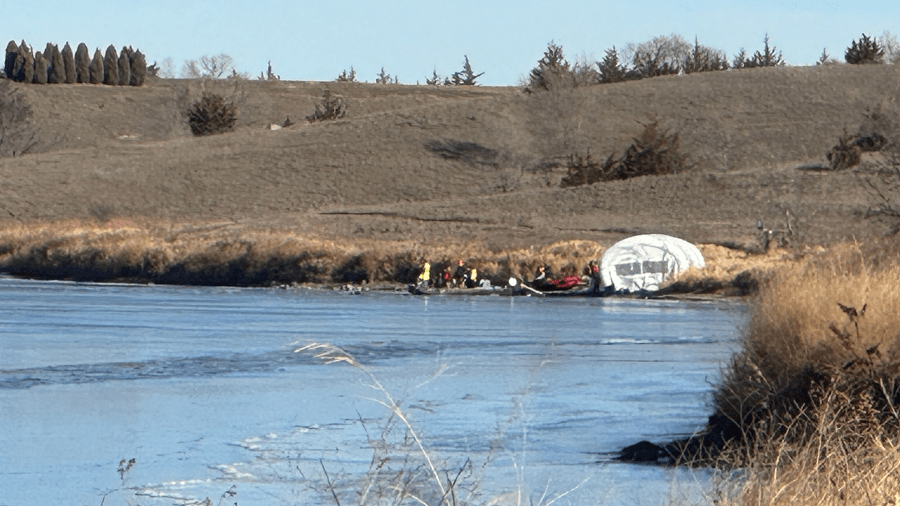
In November 2023, investigators conducted renewed searches near the James River and on a property connected to the case, within a mile of where Rachel’s truck was found years earlier. Items of interest were recovered and sent for analysis. Authorities said new tips had come in, additional witnesses were being interviewed for the first time, and old interviews were being revisited.
By December 2023, investigators publicly stated they were closer than ever to solving Rachel’s disappearance. The South Dakota Attorney General announced a reward of up to $25,000 for information leading to an arrest and conviction.
In November 2025, Dakota News Now reported on the use of AI-generated victim stories to keep cold cases like Rachel’s in the public eye. Her mother, Mary, continues to speak out—sharing her daughter’s story through posters, billboards, television pleas, and digital campaigns.
What Brad Cyriacks Has Said—and Hasn’t Said
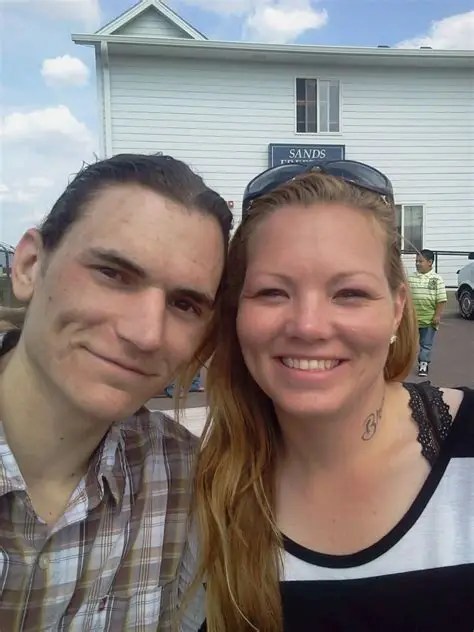
Brad Cyriacks has been interviewed multiple times by the Sanborn County Sheriff’s Office and the South Dakota Division of Criminal Investigation over the years. Despite these interviews, authorities have consistently indicated that he has provided little substantive information about Rachel’s disappearance.
Brad told investigators that after his release from jail on November 13, 2013, Rachel picked him up, briefly returned with him to their home in Woonsocket, and later dropped him off at a friend’s house in Huron—claiming this was the last time he saw her. Investigators later acknowledged it took multiple interviews for Brad to disclose that Rachel had picked him up from jail at all.
When Rachel’s pickup truck was recovered nearly three months later on a bee farm linked to the same friend, Brad said he and another person had been repairing and using the vehicle during the period Rachel was missing. He did not initially disclose that the truck was in his possession, a delay that has remained a point of concern in the investigation.
Brad was once charged with kidnapping, though those charges were later dropped. He has never been formally charged in connection with Rachel’s disappearance. Law enforcement continues to consider him a suspect, citing his proximity to events surrounding her disappearance and the fact that he was the last known person to see her alive.
Law enforcement continues to consider him a suspect. Rachel’s mother has described their relationship as “strenuous,” and the documented history of abuse remains central to the case.
Unanswered Questions
More than a decade after Rachel Cyriacks disappeared, several critical questions remain unresolved:
- Why did it take nearly three months to locate Rachel’s pickup truck when it was allegedly being used regularly during that time?
- Why did Brad Cyriacks not initially disclose to investigators that he had possession of Rachel’s truck while she was missing?
- Where exactly was the truck kept and driven during those three months, and who else may have had access to it?
- What happened to the quilt Rachel treasured that disappeared from her home at the same time she did?
- Why was Rachel’s restraining order allowed to lapse despite documented threats and violence?
- Did early assumptions that Rachel left voluntarily delay critical evidence collection in the first days after her disappearance?
Each of these unanswered questions represents a missed opportunity for clarity—and potentially for justice.
Remembering Rachel

Rachel Cyriacks was more than a missing person case. She was a mother, a writer, an artist, and a woman trying to leave a violent relationship. Her disappearance is a stark reminder of how dangerous it can be to escape domestic abuse—and how often early warning signs are overlooked.
If you have information about the disappearance of Rachel Lucille Cyriacks, you are urged to contact the South Dakota Division of Criminal Investigations (DCI) or Sanborn County Sheriff Tom Fridley. Even information that may seem small could be critical. Someone knows what happened—and Rachel deserves answers.
If you or someone you know is experiencing domestic violence, help is available. In the U.S., you can contact the National Domestic Violence Hotline at 1-800-799-SAFE (7233) or text START to 88788.








Leave a comment