
Have you ever had one of those moments where something completely shifts your perspective?
I recently came across Andrew Braaksma’s essay, Some Lessons From The Assembly Line, and it hit me like a ton of bricks. Here’s a college student who spent his summers working brutal 12-hour shifts in factories, and the experience completely transformed how he viewed his education. His story got me thinking about how we often take our opportunities for granted until we see what life looks like without them.
The Reality Check of Hard Labor
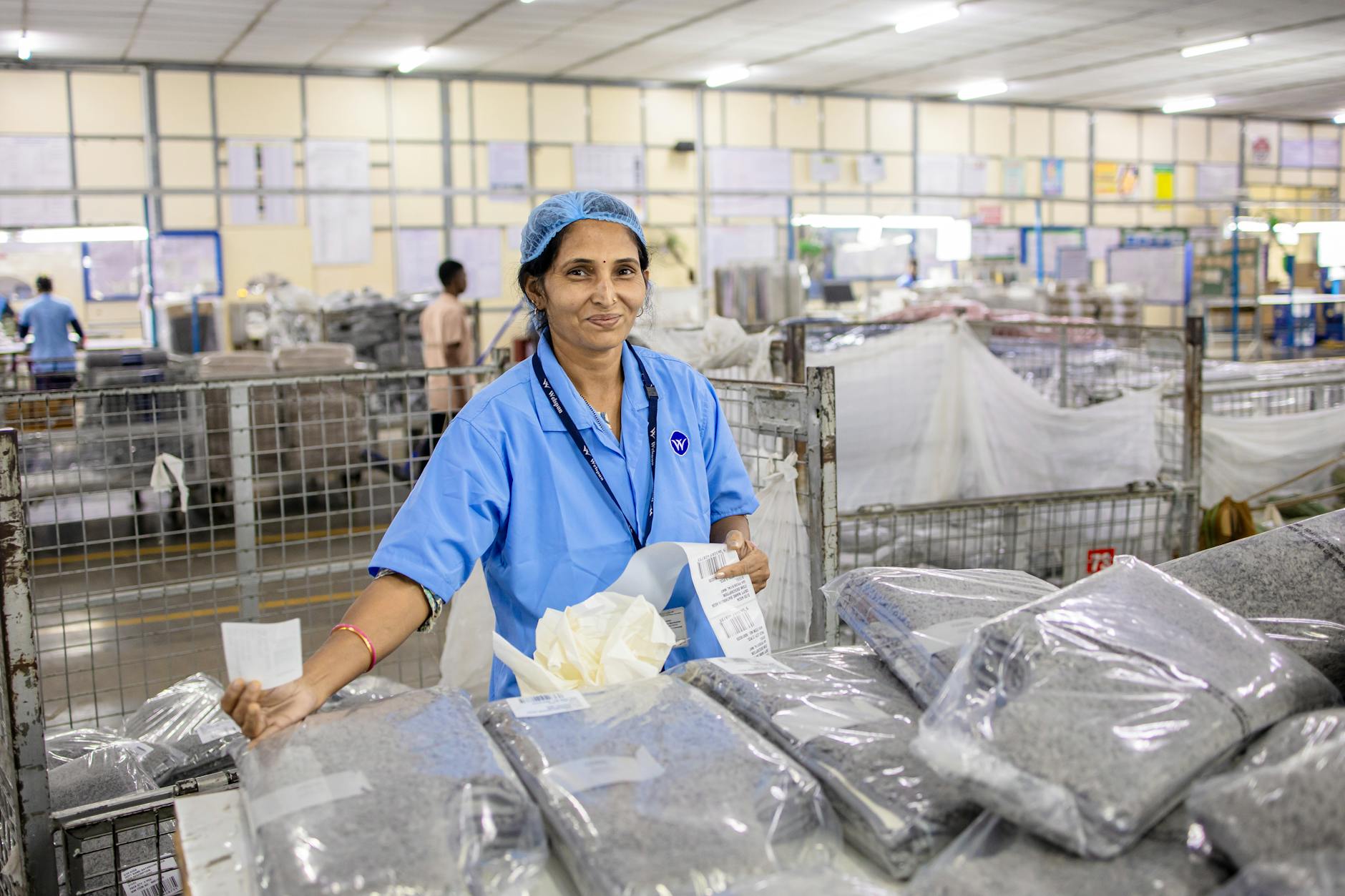
Picture this: You’re standing on a production floor, sweat dripping, and you are working with machinery that jams every time you make the smallest mistake. Day after day, you do this exhausting routine, you get your paycheck, and it’s… underwhelming. That is Braaksma’s reality.
He describes the shock of seeing how little he has earned despite the grueling hours: working multiple 12-hour shifts in a plastic factory, battling temperamental machines, and dealing with the constant stress of the physical labor. It’s the kind of work that leaves you questioning everything, especially the value of what you might be taking for granted.
What stuck with me most about Some Lessons From The Assembly Line was Braaksma’s honesty about how unprepared college had left him for the practical realities of factory work. All those classes couldn’t teach him how to handle a machine that would jam whenever he put a part in backwards. Sometimes the most valuable lessons come from the school of hard knocks.
Living with Uncertainty
But here’s what really got me: the constant fear of losing his job. Imagine showing up to work every day knowing that your entire department could be shut down overnight and moved to another country where workers earn 60 cents per hour. That’s the reality Braaksma and his coworkers faced.
It didn’t matter if he was the most dedicated employee who had never missed a day of work. In blue-collar industries, job security is often an illusion. Companies make decisions based on bottom lines, not loyalty or hard work. The stress of that uncertainty must be overwhelming.
The Privilege We Don’t Always Recognize
This is where Braaksma’s story becomes a mirror for many of us. He realized something profound, “Factory life has shown me what my future might have been like had I never gone to college in the first place.”
For him, and probably for many of us, college wasn’t really a question of “if” but “where.” We assume everyone has the same opportunities, but that’s simply not true. Some students can’t afford college. Others need to support their families. Some have to choose between education and immediate survival.
Reading about his experience made me reflect on my own assumptions about opportunity and choice. How many of us have had the luxury of treating education as a given rather than a privilege?
Finding Value in Both Worlds
What I love about Braaksma’s perspective is that he doesn’t diminish either experience. He doesn’t say college is pointless or that factory work is beneath anyone. Instead, he embraces it and recognizes that they both have valuable lessons to teach.
His summer factory jobs became as educational as any literature class—just in different ways. The physical exhaustion taught him about resilience. The job insecurity showed him the importance of having options. The small paychecks made him appreciate opportunities that might lead to better financial stability.
Making the Most of What We Have
Braaksma’s story ends with a commitment to make the most of his college years before entering “the real world for good.” He found inspiration in the contrast between the two worlds— the academic and the industrial.
His experience reminds us that education isn’t just about gaining knowledge; it’s about expanding our choices and opportunities. When we understand what life looks like without those choices, we can approach our education with greater intention and gratitude.
Sometimes we need to step outside our comfort zones to truly appreciate what we have. Whether it’s through summer jobs, volunteer work, or simply listening and reading others’ stories, exposing ourselves to the different realities can be trasforming.
Braaksma’s factory summers weren’t just about earning money—they were about gaining perspective. They showed him the value of his education not by studying it in a textbook, but by living the alternative.
Maybe we all need our own version of the factory floor—a place where our assumptions get challenged and our gratitude renewed. What’s yours going to be?







 Kat McAdaragh
Leave a reply to globalturd Cancel reply