Have you ever said one thing when you meant another? Chosen your words so carefully that only certain people would understand the real message hidden underneath?
Women have been doing this for centuries. Not because we’re naturally deceptive, but because speaking plainly has historically been dangerous. So we learned to write in code. We mastered the art of the double meaning, the subtext, the story within a story. We hid revolutionary ideas inside domestic novels. We buried love letters inside nature poetry. We tucked radical politics into children’s tales.
And if you know how to read them, these codes are everywhere.
The Language of Flowers
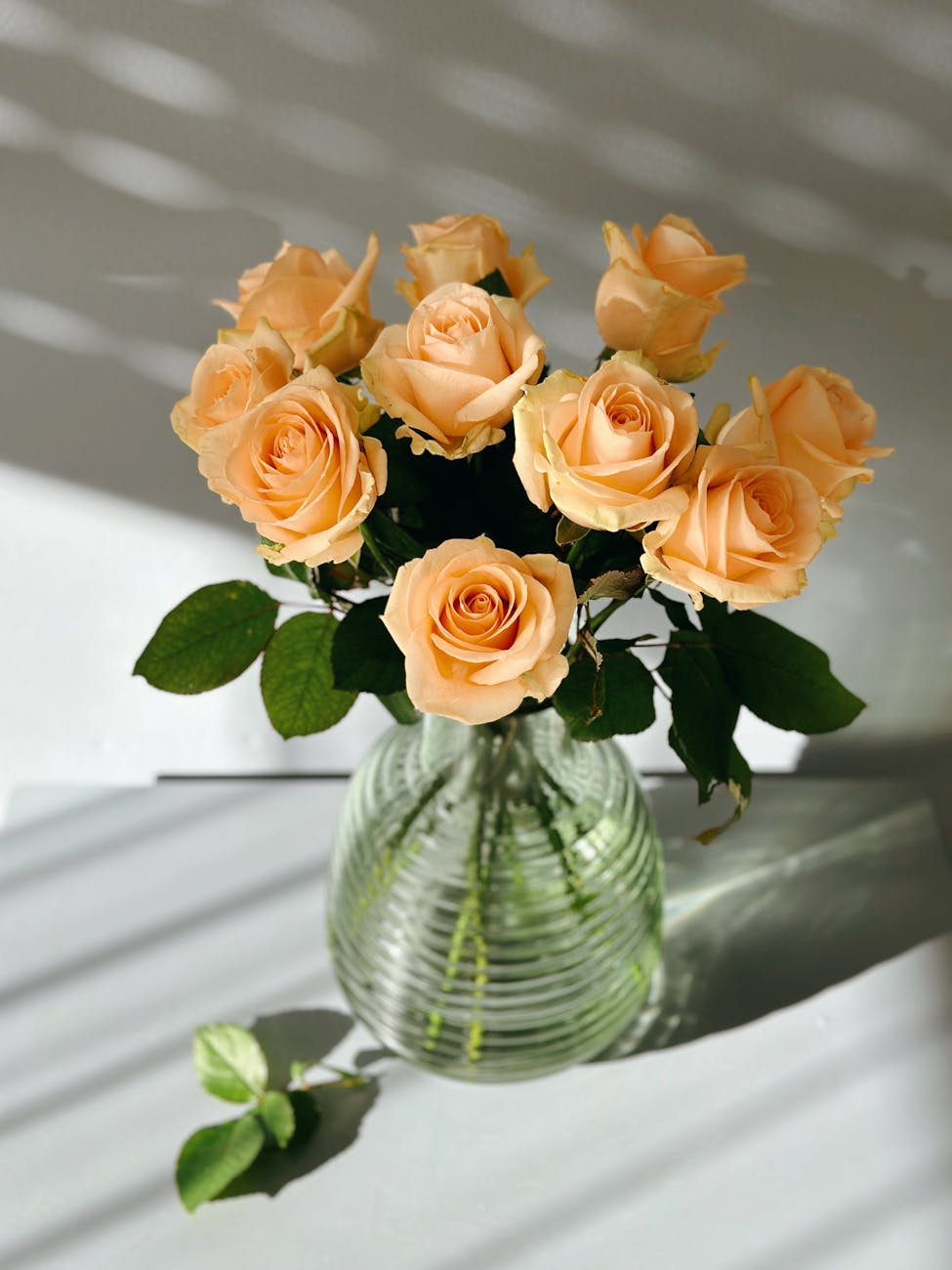
In Victorian England, women couldn’t speak openly about their desires, their frustrations, or their intellectual ambitions. So they developed an entire language using flowers. A red rose meant passionate love, but everyone knew that. The real artistry was in the subtleties: yellow carnations for disappointment in love, striped carnations for refusal, white chrysanthemums for truth.
But here’s what’s interesting—the flower language wasn’t just about romance. It was a way for women to communicate complex emotions and intellectual states that had no acceptable verbal expression. How do you tell your mother you’re suffocating in your engagement when breaking it off would ruin your family’s social standing? You send her a bouquet of yellow roses (infidelity) and orange lilies (hatred). She’ll understand.
The Victorians published entire dictionaries of flower meanings, which seems quaint until you realize what it actually represented: a formalized system of coded communication that allowed women to express what they weren’t allowed to say aloud. It was subversion dressed as decoration.
When Needlework Became Resistance
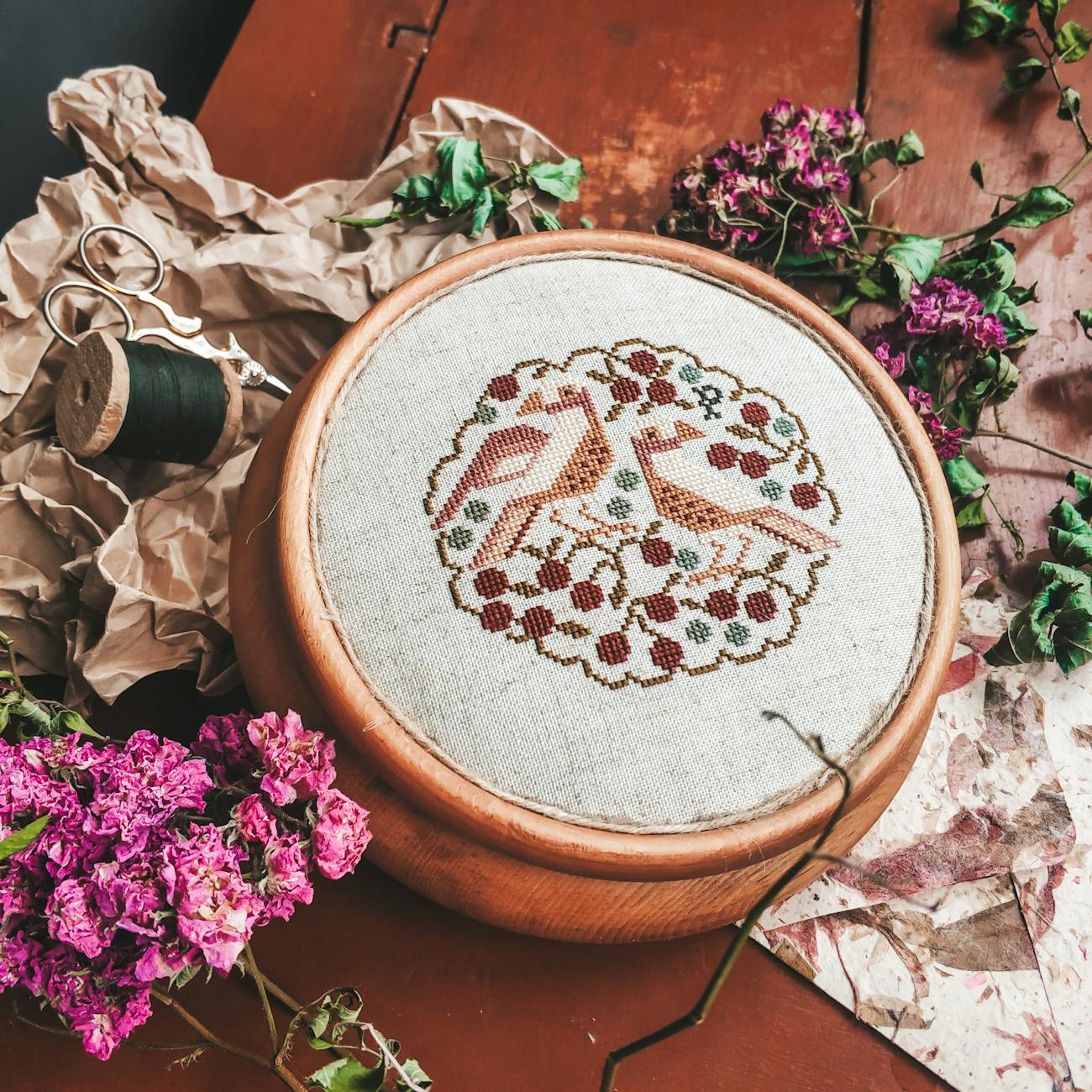
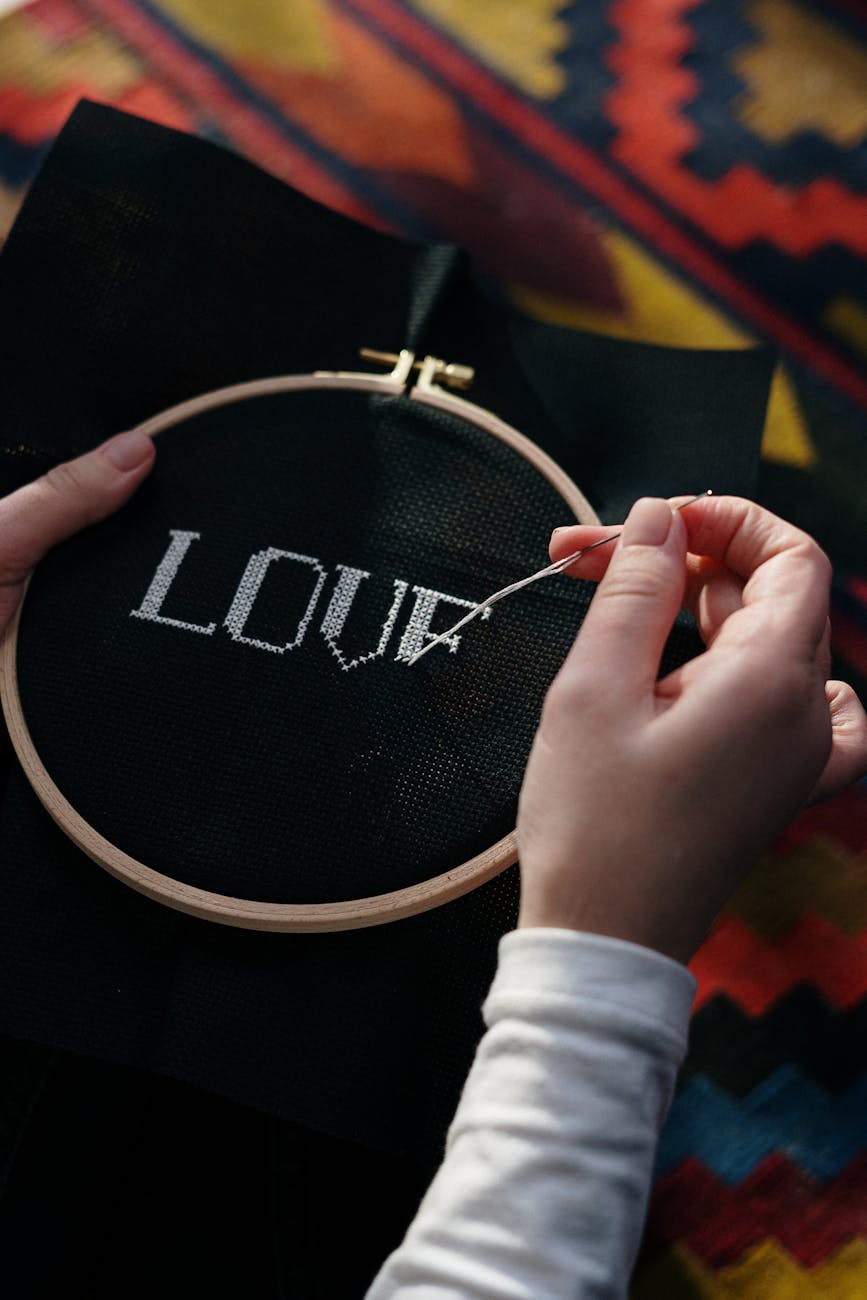
Then there were the samplers. You know the ones—those cross-stitched alphabet charts and Bible verses that teenage girls were forced to create as proof of their domestic skills. We’ve been taught to see them as evidence of women’s confinement to the domestic sphere.
But look closer.
Some women stitched subversive messages into their samplers, hidden among the conventional religious verses. Anne Baker, in 1822, stitched: “Ann Baker is my name / England is my nation / Nottingham is my dwelling place / And Christ is my salvation / When I am dead and in my grave / And all my bones are rotten / When this you see remember me / That I be not forgotten.”
Innocuous? Maybe. Until you remember that Nottingham was a center of radical political activity in the 1820s, and the last verse— “remember me”—echoes the language of political martyrs.
Other women found more subtle ways to resist. They’d make deliberate mistakes in their work— dropped stitches, crooked letters, uneven spacing. Art historians used to interpret these as signs of incompetence. Now we understand some of them were acts of deliberate resistance. A way of saying, “You can make me do this, but you can’t make me do it well.”
The code wasn’t in what they stitched. It was in how they stitched it.
The Secret Language of Cookbooks
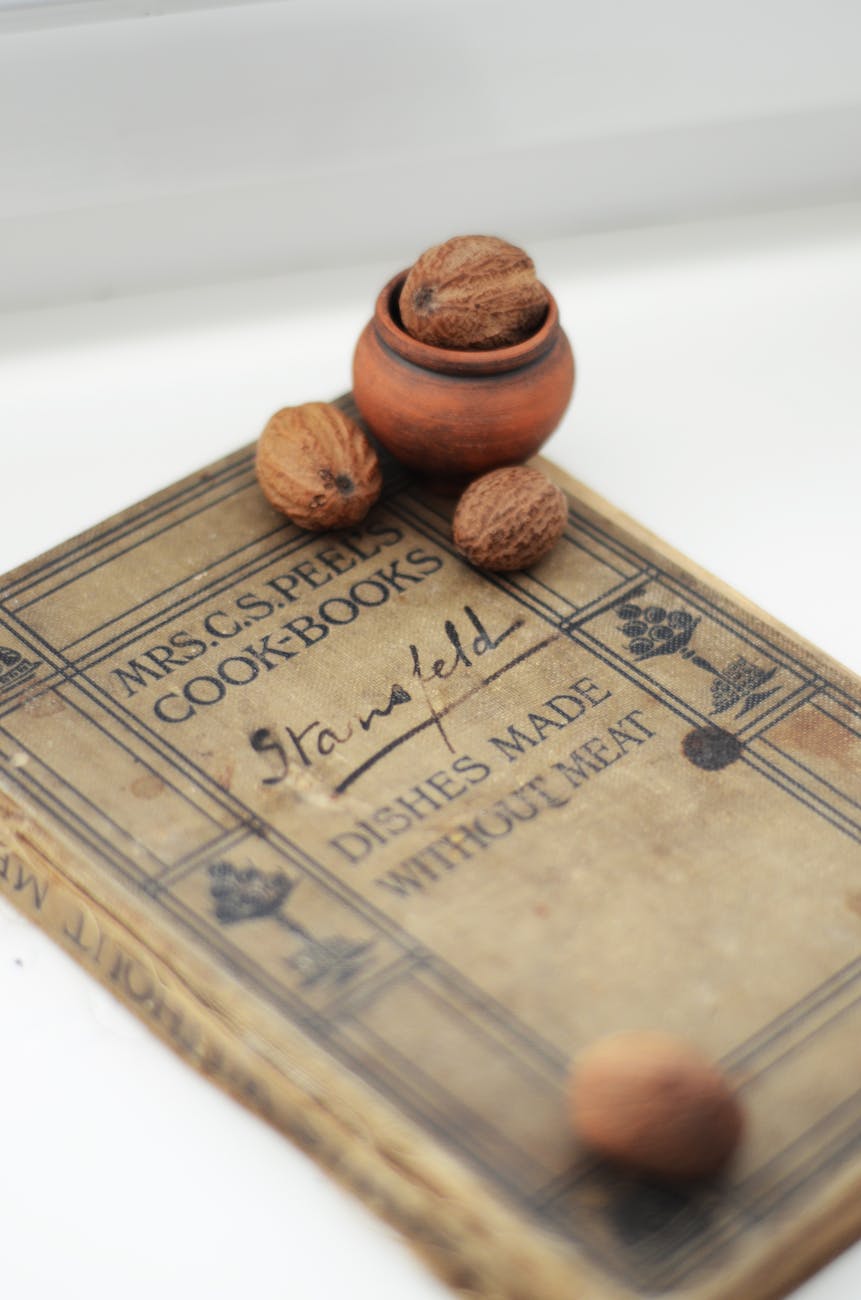
Even cookbooks became vehicles for coded messages. In the antebellum South, enslaved women and free Black women wrote recipes that functioned as maps for the Underground Railroad. Measurements that seemed nonsensical, ingredients that didn’t quite belong—these weren’t mistakes. They were directions.
“Take the road that forks at the old hickory tree” became a recipe calling for hickory nuts in an unusual quantity. “Wait for the full moon” translated to cooking times that made no culinary sense. Recipes passed from hand to hand, kitchen to kitchen, carrying escape routes disguised as instructions for cornbread.
White women used cookbooks for coded communication, too. Antoinette K. Hervey’s 1910 cookbook included recipes with names like “Bachelor’s Pudding” and “Old Maid’s Delight”—seemingly playful, until you read the commentary she tucked between the recipes. She wrote about women’s suffrage, economic independence, and the absurdity of marriage laws, all framed as friendly advice about household management.
The genius was that no one was looking for revolution in the recipe for apple pie.
Literature’s Hidden Transcripts
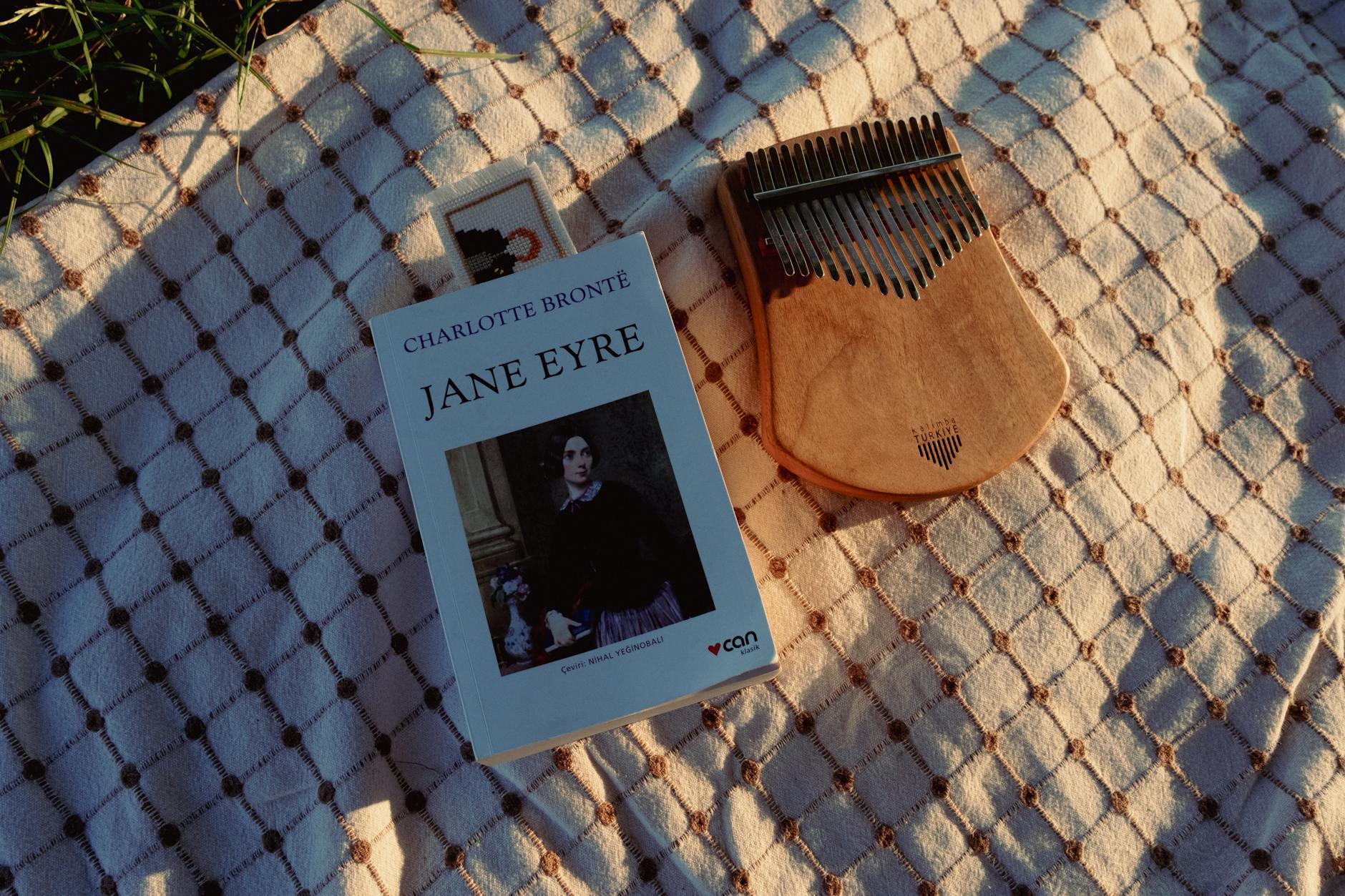
But the most sophisticated codes appeared in women’s writing. Jane Austen’s novels seem to be about courtship and marriage, and on one level, they are. But they’re also precise critiques of women’s economic vulnerability disguised as romantic comedy.
When Elizabeth Bennet rejects Mr. Darcy’s first proposal, Austen is writing about romantic incompatibility. But she’s also writing about a woman who chooses poverty and social humiliation over accepting marriage based on unequal power. That was a radical political statement in 1813, but Austen dressed it up as a love story, so it slipped past the critics.
Charlotte Brontë did something similar in “Jane Eyre.” On the surface, it’s a Gothic romance. But read it again and notice how Jane articulates a fully developed theory of women’s intellectual and spiritual equality with men. The mad woman in the attic isn’t just a plot device—she’s what happens to female rage in a society that won’t allow women to express anger directly.
These writers weren’t being coy. They were being strategic. You can’t publish a political treatise arguing for women’s equality when publishers won’t even consider manuscripts from women. But you can write a novel with a happy ending that contains all the same arguments, embedded in the story.
The code was the genre itself.
Why We Still Write in Code

You might think we don’t need these codes anymore. We can write plainly about our anger, our desires, our political beliefs. Women have won the right to speak directly.
Except we haven’t, not really. We’ve just developed more subtle forms of the same old silencing.
Try being a woman who writes honestly about her ambition without softening it with self-deprecation. Watch the comments roll in about how “aggressive” or “unlikeable” she is. Try being a woman who writes about her sexuality without framing it as empowerment or healing. See how quickly she’s labeled “inappropriate” or “attention-seeking.” Try being a woman who writes about her anger without explaining, justifying, or apologizing for it. Count how many people tell her she’s being “too emotional” or “needs to calm down.”
So we still code. We write essays about “self-care” when we mean “this system is destroying us.” We write about “setting boundaries” when we mean “your expectations are unreasonable and I refuse to meet them.” We write about “finding balance” when we mean “I’m drowning and nobody cares.”
We’ve gotten so good at this that we sometimes don’t even recognize we’re doing it. We’ve internalized the codes so deeply that they’ve become our natural language.
Learning to Read Between the Lines
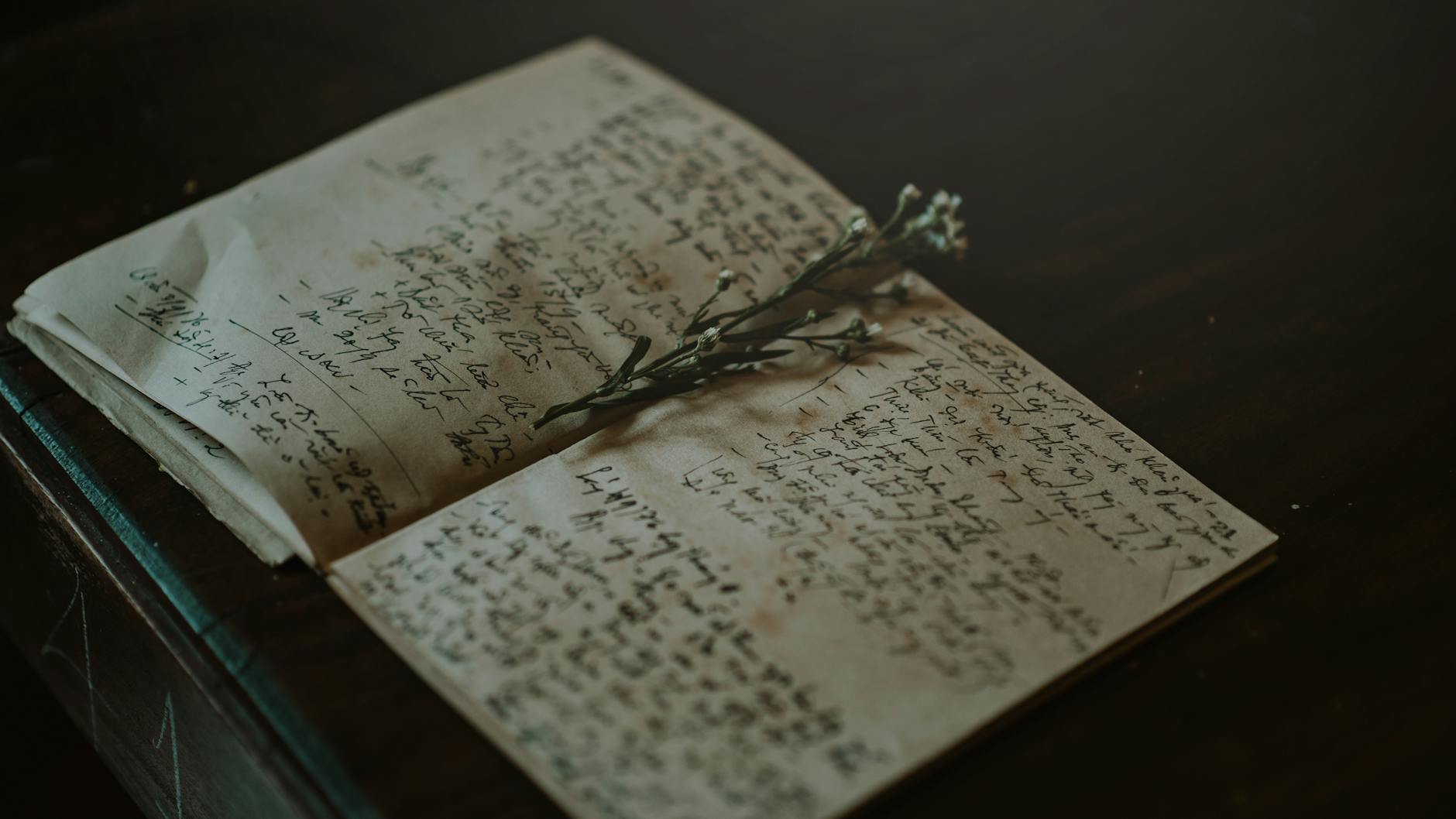
The tragedy is that we’ve lost the ability to read some of these codes. When we encounter Victorian women’s writing, we often take it at face value. We read their journals and letters and assume they meant exactly what they said, that they were content with their limited roles because they wrote about their domestic duties with seeming cheerfulness.
But what if we’re missing the code?
What if the woman who wrote extensively about her needlework was actually writing about her creative ambitions, using the only vocabulary available to her? What if the woman who seemed to accept her confined existence was actually documenting it for future readers who would understand what she couldn’t say plainly?
What if the women of the past weren’t more content than we are—they were just better at coding their discontent?
The Revolution Hidden in Plain Sight
What’s interesting about these coded communications is that they required both incredible creativity and exhausting vigilance. Women had to be constantly aware of their audience, constantly translating their real thoughts into acceptable forms, constantly managing the gap between what they meant and what they could say.
That’s exhausting. It’s also what made women such sophisticated writers, thinkers, and communicators. When you can’t speak plainly, you get very good at subtext, irony, metaphor, and nuance. You develop a kind of double consciousness, always aware of multiple meanings, always reading between the lines.
The codes women developed weren’t just survival strategies. They were art forms. They were intellectual traditions. They were revolutions hidden in plain sight, passed from hand to hand, generation to generation, waiting for readers who knew how to see them.
What We Inherit
Every time you’ve said “I’m fine” when you weren’t, you’ve used code. Every time you’ve written a professional email that was technically polite but contained layers of barely concealed fury, you’ve used code. Every time you’ve told a story about something that happened to “a friend” when it actually happened to you, you’ve used a code.
We inherit these codes from the women who came before us. The women who wrote revolutionary ideas into domestic novels. The women who stitched resistance into samplers. The women who turned recipes into maps to freedom. The women who said one thing with their mouths and another with their pens, their needles, their gardens, their very lives.
The question isn’t whether we still use codes. Of course, we do. The question is: what would it take for us to speak plainly?
And maybe the answer is that we already are. Maybe the codes themselves are the plain speech. Maybe generations of women have been shouting at the top of their lungs in a language we’ve only just begun to translate.
When you encounter a Victorian woman’s diary full of observations about the weather, what if she’s actually documenting her emotional landscape? When you read a nineteenth-century novel obsessed with domestic details, what if it’s actually a critique of women’s economic dependency? When you find a recipe that doesn’t quite make sense, what if it’s actually a map?
The codes are everywhere. We just have to learn to read them.
And maybe write a few of our own.






 Kat McAdaragh
Leave a comment