
Disclaimer: This article is based on publicly available records, court documents, and media reporting. No individual mentioned has been convicted in connection with the disappearance of Ellabeth Mae Lodermeier. Allegations and theories are attributed to investigators, court filings, or media sources and are not presented as statements of fact.
She Left the Bread Rising
On the evening of March 6, 1974, something interrupted Ellabeth Mae Lodermeier in the middle of an ordinary night.
The bread she was making never made it to the oven. Flour lay scattered across the kitchen floor. A fresh pizza sat where it had fallen, one slice missing. Her car remained in the driveway. Her house was locked.
Ellabeth—25 years old, newly separated, and on the verge of finalizing a divorce—was gone (Argus Leader, 2018).
More than fifty years later, her disappearance remains one of Sioux Falls’ most enduring and unsettling cold cases.
A Woman on the Edge of Change
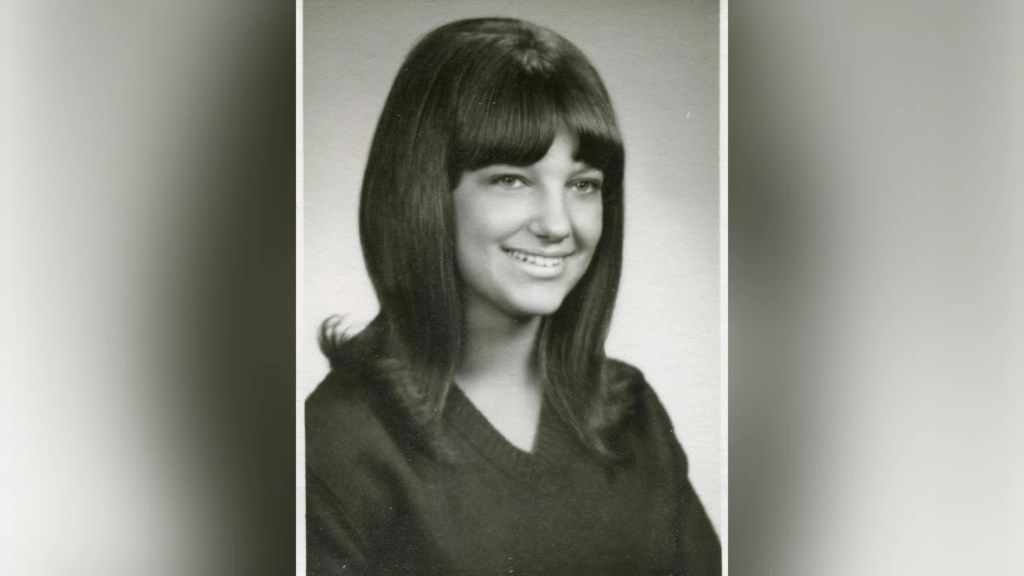
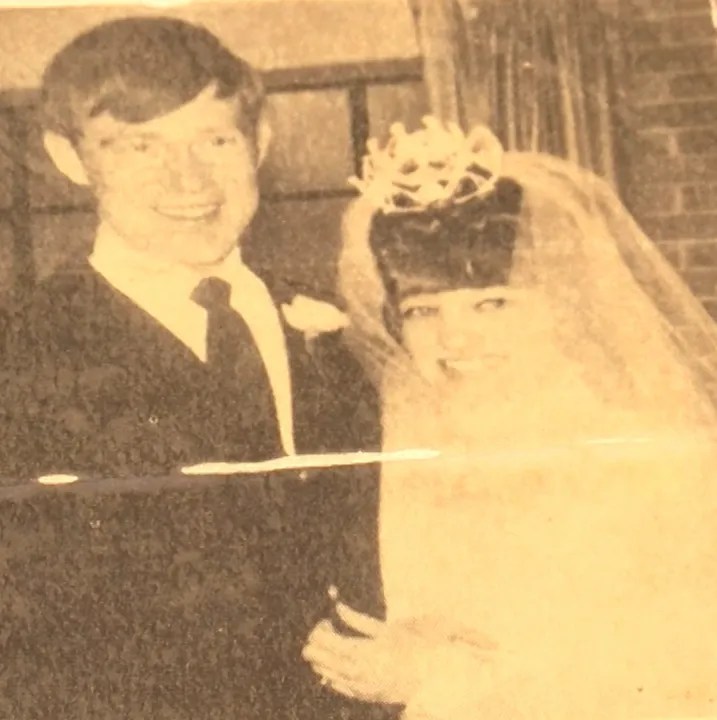
Ellabeth Mae Lodermeier, sometimes referred to as Beth, was described as small in stature—just 5’1″ and about 105 pounds—but determined in spirit (Uncovered, 2019). In 1973, she filed for divorce from her husband, Gene Vernel Lodermeier, alleging physical and mental abuse in sworn court testimony (Charley Project).
Family members later echoed those concerns, describing Gene as controlling. According to reports, Ellabeth said he would sometimes disable her car to prevent her from attending college classes—an allegation Gene denied (Charley Project; Argus Leader, 2018).
The divorce was set to go to trial in March 1974, Ellabeth was preparing for a life on the other side of it.
Around that time, she met Jerry Thomas while out socially at the Pomp Room in Sioux Falls. The two began dating, and friends later said Ellabeth appeared cautiously hopeful about the future (KELOLAND, 2021).
The Last Night
On March 6, 1974, Ellabeth was last seen at her home on the 300 block of North Indiana Avenue (Argus Leader, 2018). Her estranged husband is reported to have been the last known person to see her that day (Charley Project).
That evening, Jerry Thomas was out of town in Redfield, South Dakota. He had planned to call Ellabeth between 9:00 and 9:30 p.m. When he called, three separate times, the upstairs tenant answered. Ellabeth never came to the phone (Charley Project).
By morning, she hadn’t shown up for work.
A House That Told a Story
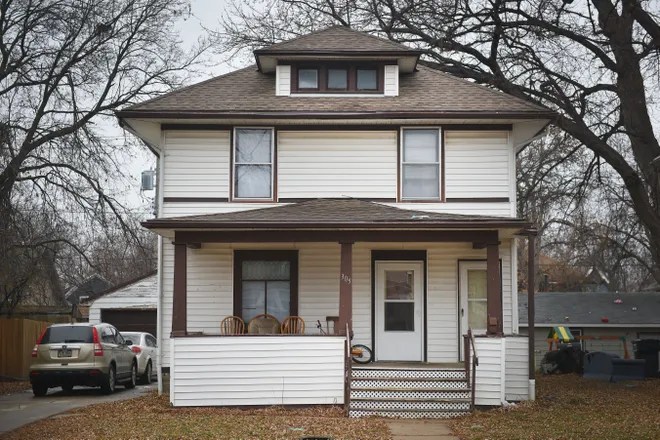
Police were called to Ellabeth’s home on March 7th after coworkers grew concerned. What they found raised more questions than answers.
Her car sat in the driveway. The house was locked. Inside, officers found signs of an interrupted domestic routine: bread dough left rising, flour spilled across the floor, and a pizza with a single slice missing (Doe Network; KELOLAND, 2021).
There were no signs of forced entry or struggle. Nothing appeared to be missing—except Ellabeth’s coat and purse (Doe Network).
Investigators later stated the scene suggested Ellabeth had not planned to leave voluntarily (Charley Project).
Early Focus of the Investigation
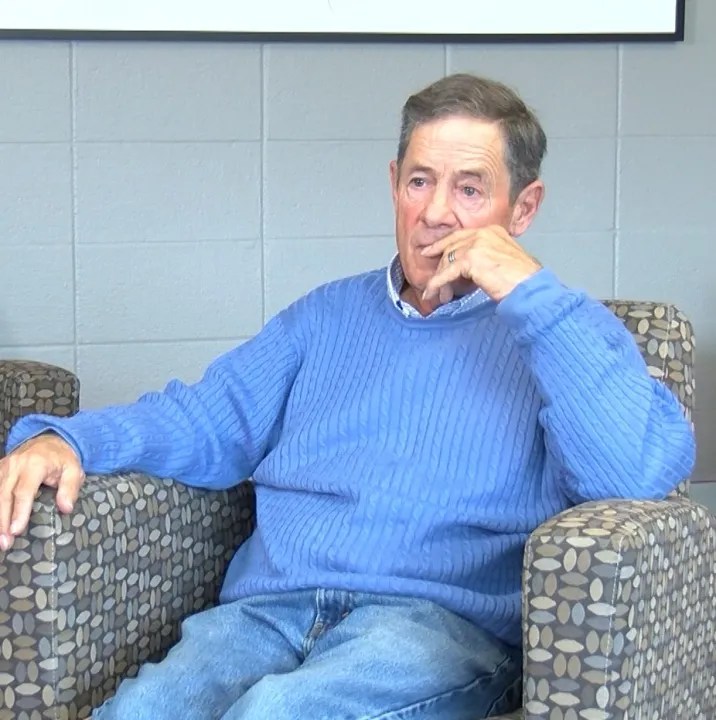
Jerry Thomas returned to Sioux Falls immediately after learning Ellabeth was missing. He contacted police, cooperated fully with investigators, and voluntarily took a polygraph examination, which authorities reported he passed. He was later cleared of suspicion (Charley Project).
Attention soon turned to Gene Lodermeier. While law enforcement identified him as a person of interest, officials repeatedly stated there was insufficient evidence to file charges, citing the lack of a body and physical evidence (KELOLAND, 2021).
The Credit Cards in Canada

Six months after Ellabeth vanished, the case took a strange turn.
In September 1974, three of Ellabeth’s credit cards were discovered in a women’s restroom at a Canadian National Railway station in Dauphin, Manitoba—nearly ten hours north of Sioux Falls (Doe Network).
Authorities reported there was no evidence Ellabeth had traveled to Canada. Investigators later suggested the cards may have been placed there by someone else in an effort to divert the investigation, though this theory was never conclusively proven (Charley Project).
A Pattern of Legal Trouble

In the years following Ellabeth’s disappearance, Gene Lodermeier accumulated a long list of legal problems unrelated to her case.
Public records show he was accused—but never convicted—of attempting to place a pipe bomb in a police officer’s vehicle in 1977 (Charley Project). In 1989, he was convicted of grand theft and sentenced to 45 years in prison, a sentence he later argued was excessive (Argus Leader, 2018).
He filed lawsuits alleging harassment by Sioux Falls police, but courts ruled in favor of the officers (Charley Project). Gene was paroled in 2002 and died in 2013 of natural causes. He was never charged in connection with Ellabeth’s disappearance.
What the River Gave Back
Eighteen years after Ellabeth vanished, a farmer made a discovery along the banks of the Big Sioux River near Highway 42.
Inside a discarded bag were Ellabeth’s purse, wallet, and checkbook (Charley Project; Doe Network). A search of the surrounding area and river followed, but no remains were found.
Investigators later stated the discovery strengthened their belief that Ellabeth had not left of her own accord (Charley Project).
A Case That Would Not Stay Buried
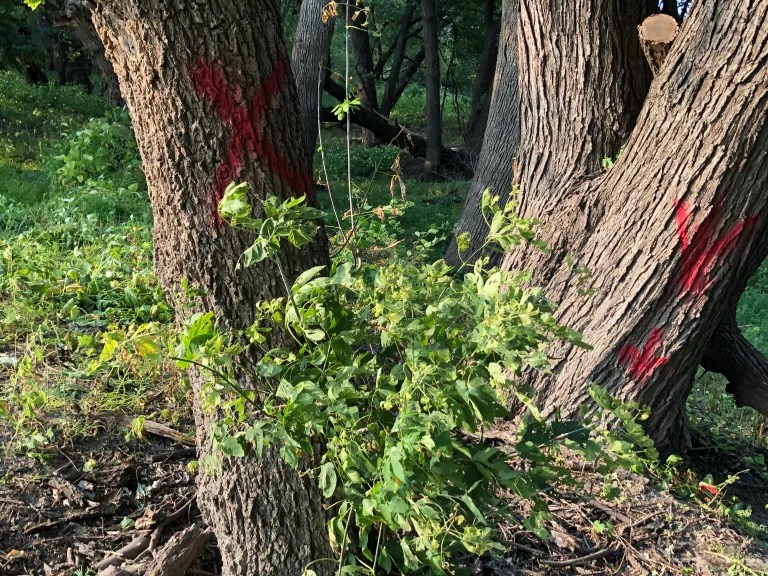
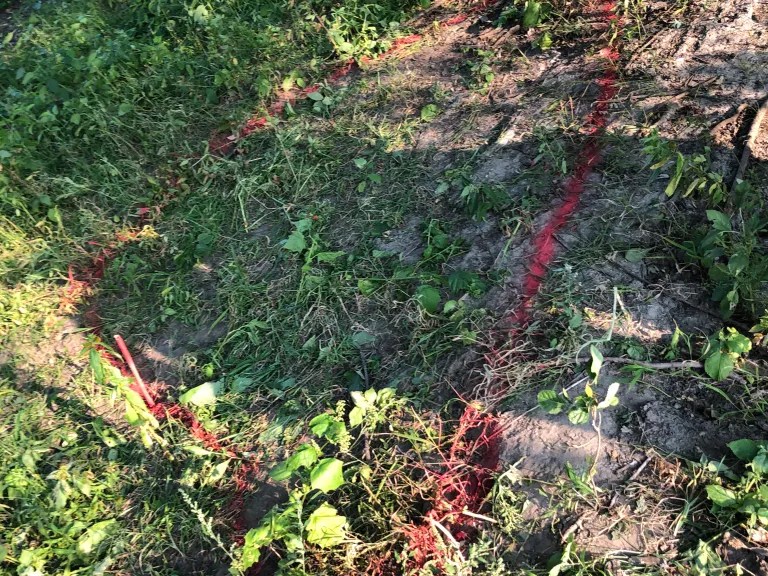
Between 2016 and 2021, investigators renewed efforts to locate Ellabeth’s remains. Detective Pat Mertes oversaw new searches along the Big Sioux River after tips suggested renewed areas of interest (KELOLAND, 2021).
Cadaver dogs alerted investigators to multiple locations. Excavation and soil sifting followed. Still, nothing definitive was recovered.
Detective Mertes later stated that earlier polygraph testing of Gene Lodermeier showed “indications of deception,” while emphasizing that polygraphs are not admissible in court and are not proof of guilt (KELOLAND, 2021).
Both investigators and surviving family members have publicly stated their belief that Ellabeth was the victim of homicide (KELOLAND, 2021).
Theories That Linger
Over decades, public speculation has coalesced around several possibilities:
- An escalation of domestic violence shortly before the divorce trial (Charley Project).
- Deliberate misdirection using planted evidence, such as the Canadian credit cards (Doe Network).
- Concealment near the Big Sioux River, supported by later searches (KELOLAND, 2021).
- Investigative and forensic limitations were common in the 1970s (Argus Leader, 2018).
None of these theories has been proven.
Why Ellabeth’s Story Still Matters
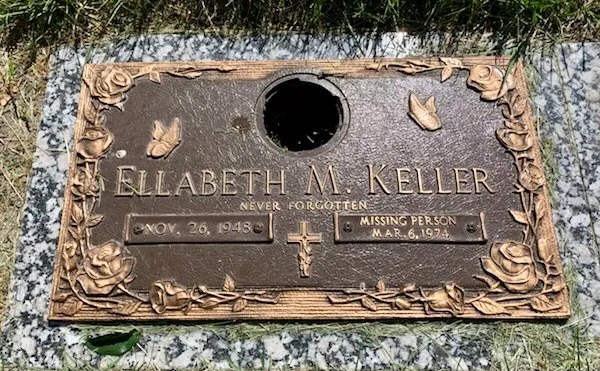
Ellabeth Mae Lodermeier disappeared just weeks before a major life transition. Her case reflects broader realities of the era—how domestic abuse allegations were handled, the challenges of prosecuting cases without physical evidence, and how easily women’s voices were dismissed.
A $20,000 reward remains available for information leading to the recovery of her remains (Argus Leader, 2018). Tips continue to come in, even decades later.
Somewhere between a loaf of unfinished bread and a locked front door, Ellabeth’s life was interrupted. Until answers are found, her story remains unfinished, too.






 Kat McAdaragh
Leave a comment