What Our Grandmothers Knew About Feeding a Family
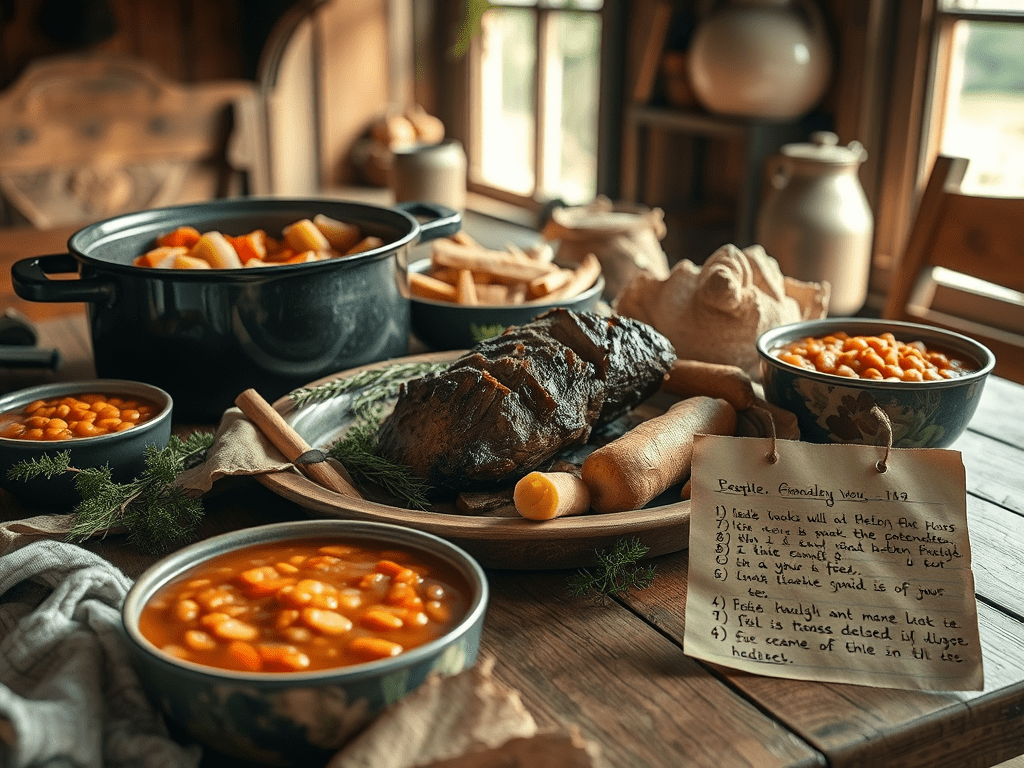
There’s a worn recipe card in my grandmother’s handwriting that simply says “Bean Soup – feeds 10.” No measurements, no cooking times, just an assumption that you’d know what to do. That whoever read this card would understand that feeding ten people wasn’t an occasional event but a regular Tuesday, that stretching ingredients to fill bellies was a skill passed down like silverware, essential and unquestioned.
I think about that card often these days, especially when I’m doom-scrolling through recipe blogs that require seventeen specialty ingredients and proclaim a dish serves four as if that’s generous. There’s something we’ve lost in our modern approach to cooking—not just the recipes themselves, but the entire philosophy behind them. The understanding that food is meant to be abundant, shareable, and uncomplicated enough to make while managing a household, a farm, or simply the exhausting work of keeping a family fed day after day.
Our great-grandmothers didn’t have the luxury of individuality in meals. They didn’t make separate dinners for picky eaters or worry about whether the presentation was Instagram-worthy. They made large quantities of food that could sustain people through physical labor, that could stretch to accommodate unexpected visitors, and that could be eaten as leftovers for days without complaint. And somehow, those meals became the ones we remember most fondly—the dishes that still mean “home” to us decades later.
So let’s reclaim some of that wisdom. Not out of nostalgia for a past that was undoubtedly harder in many ways, but because there’s genuine intelligence in these approaches to feeding people. Especially now, when many of us are looking for ways to feed families on uncertain budgets, these old methods offer both economy and comfort.
Cook Once, Eat Multiple Times
The brilliance of traditional family cooking wasn’t just in the recipes—it was in the strategy. A pot of beans cooked on Monday became bean soap on Tuesday and refried beans on Wednesday. A whole chicken fed the family for dinner, then the bones made stock, then the stock became soup with leftover meat. Nothing was wasted because nothing could be afforded to waste.
This wasn’t deprivation. It was intelligence. And it freed up time and energy for everything else life demanded.
Pot Roast: The Original Slow Cooker Meal
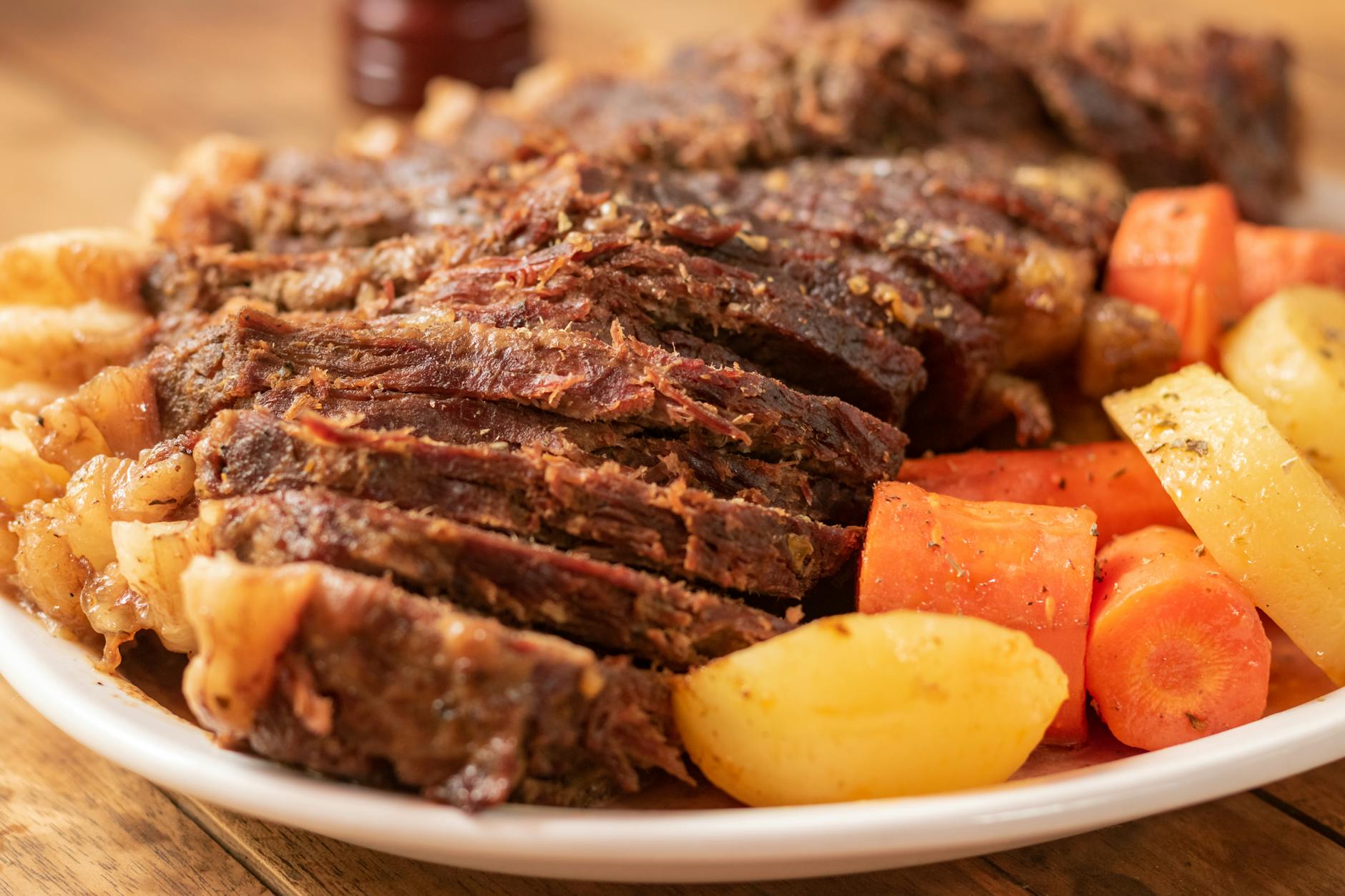
Before we had Crock-Pots, we had Dutch ovens and patience. A pot roast was the ultimate set-it-and-forget-it meal, perfect for farm families who needed dinner to cook itself while they worked.
The Method: Take a tough, inexpensive cut of beef—chuck roast works perfectly. Brown it in a heavy pot if you have the energy, but honestly, you don’t have to. Add roughly cut vegetables—potatoes, carrots, onions, whatever you have. Add liquid (water, broth, even just water with a bouillon cube), season with salt, pepper, and whatever herbs are available. Cover and let it cook low and slow for three to four hours, either on the stovetop or in a 300-degree oven.
The magic is in the time. The cheap cut becomes tender. The vegetables absorb the flavors. The liquid becomes gravy. One pot feeds a crowd, and the house smells like comfort itself.
Modern Adaptation: Use a slow cooker. Put everything in before work, come home to dinner. The principle remains the same—time does the work you don’t have energy for.
Leftover: Shred any remaining meat, mix with the vegetables and gravy, and serve over toast or biscuits for a completely different meal. Or add more broth and vegetables for soup.
Goulash
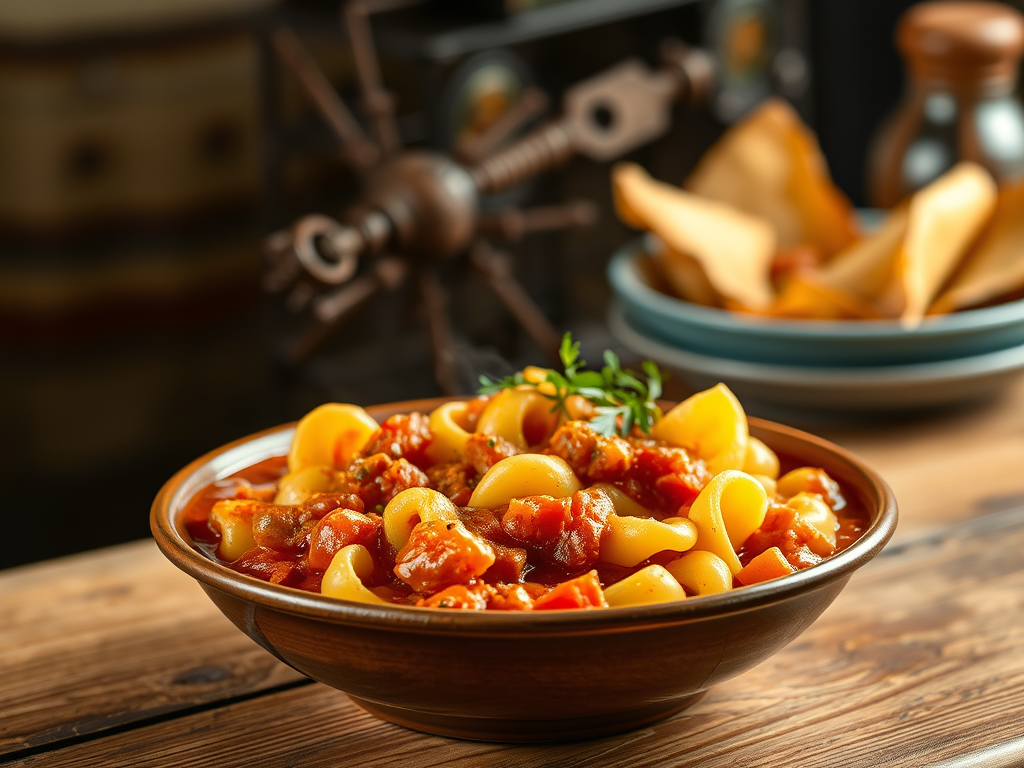
My grandmother called it goulash, though different regions had different names—Slumgullion, American chop suey, poor man’s stew. It was the recipe that appeared when times were particularly tight, and it fed everyone without fuss.
The Base Formula: Ground meat (or not—it works without), elbow macaroni, canned tomatoes, onion, garlic. Cook the meat if using, add onions and garlic, add tomatoes and water or broth, add raw pasta directly to the pot, let it all cook together for about 20 minutes until the pasta is tender.
The pasta releases starch that thickens everything into a cohesive dish. It’s not fancy, but it fills bellies, costs very little, and actually tastes good in that comforting, reminds-you-of-childhood way.
The Variations: Add whatever vegetables you have—canned corn, frozen green beans, bell peppers. Add kidney beans for protein if skipping meat. Season with Italian herbs, or chili powder, or whatever spices speak to you.
This is the meal that fed families through economic depressions and still shows up on tables today because it works. One pot, minimal effort, maximum yield.
Chicken and Dumplings
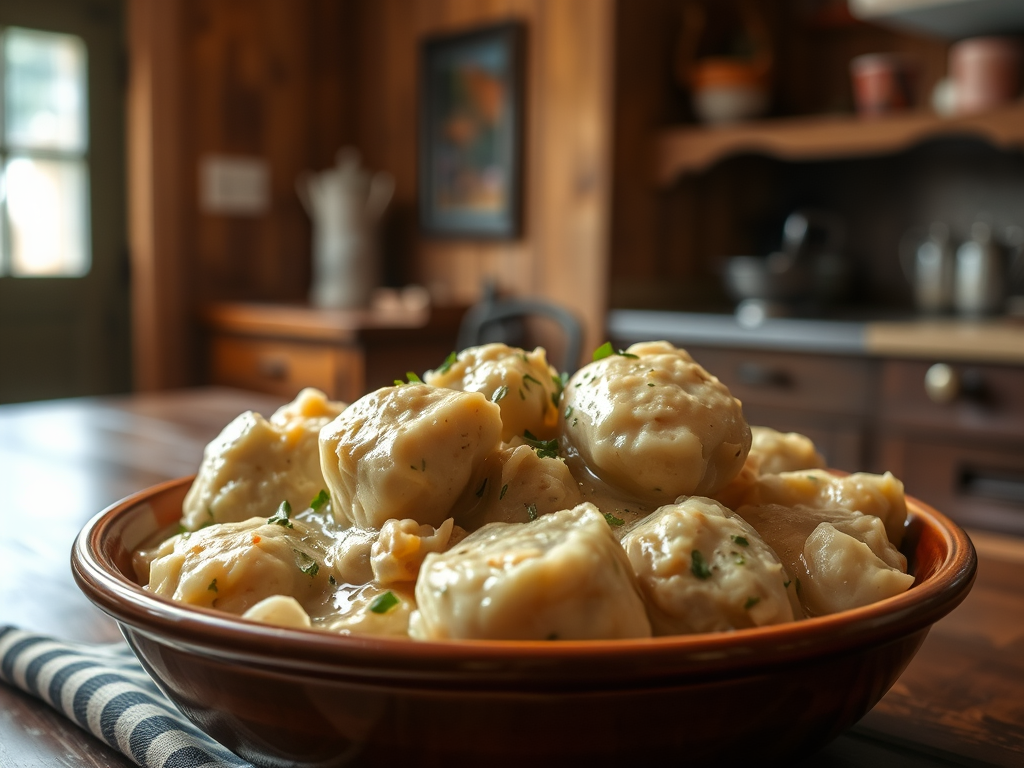
In the era when chickens were valuable and nothing was wasted, this dish was genius. You could feed eight to ten people with one chicken, some flour, and vegetables.
The Traditional Method: Boil a whole chicken (or chicken pieces) with celery, carrot, and onion until tender. Remove the chicken, shred the meat, and return it to the pot. Bring the liquid to a simmer. Now make dumplings—simple biscuit dough dropped by spoonfuls into the simmering broth. Cover and cook for about 15 minutes until the dumplings are cooked through.
The Economical Reality: You don’t even need a whole chicken. Chicken thighs work. Leftover rotisserie chicken works. Even just making vegetable dumplings with broth works. The principle is the same—the dumplings are filling and stretch the most expensive protein.
The result is warming, substantial, and reminds us that comfort food doesn’t require complexity. It requires understanding that satisfaction comes from texture, temperature, and the alchemy of simple ingredients cooked with attention.
Bean Soup
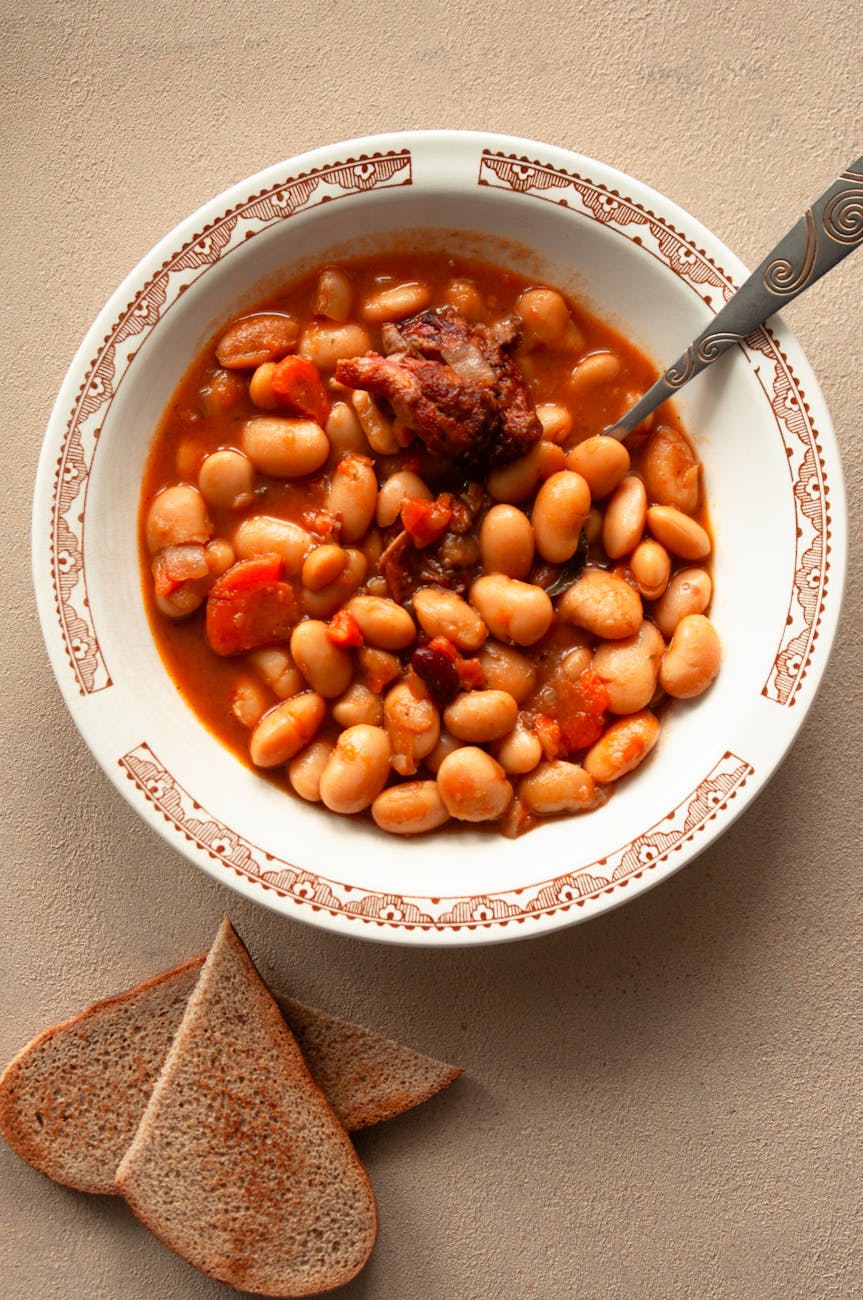
Every farm family had their version of bean soup. It was the meal that appeared weekly, sometimes more often, because dried beans were cheap, filling, and could sit in the pantry indefinitely until needed.
The Foundational Approach: Soak beans overnight (or use the quick-soak method). Cook with a ham bone if you have one, or a piece of salt pork, or bacon, or, honestly, just onion and garlic. Add whatever vegetables need using—carrots, celery, potatoes, and tomatoes. Season with bay leaf, thyme, salt, and pepper. Simmer until everything is tender and the broth is rich.
The beauty of bean soup is its flexibility. It adapts to what you have. No ham bone? Use bouillon. No fresh vegetables? Frozen or canned works fine. The beans themselves are the star—creamy, satisfying, and surprisingly rich despite costing mere cents per serving.
Serving Strategies: Serve over rice to make it even more filling. Serve with cornbread if you can make it. Or just serve it as is—a bowl of bean soup with good bread is a complete meal that has satisfied working families for generations.
Breakfast for Dinner
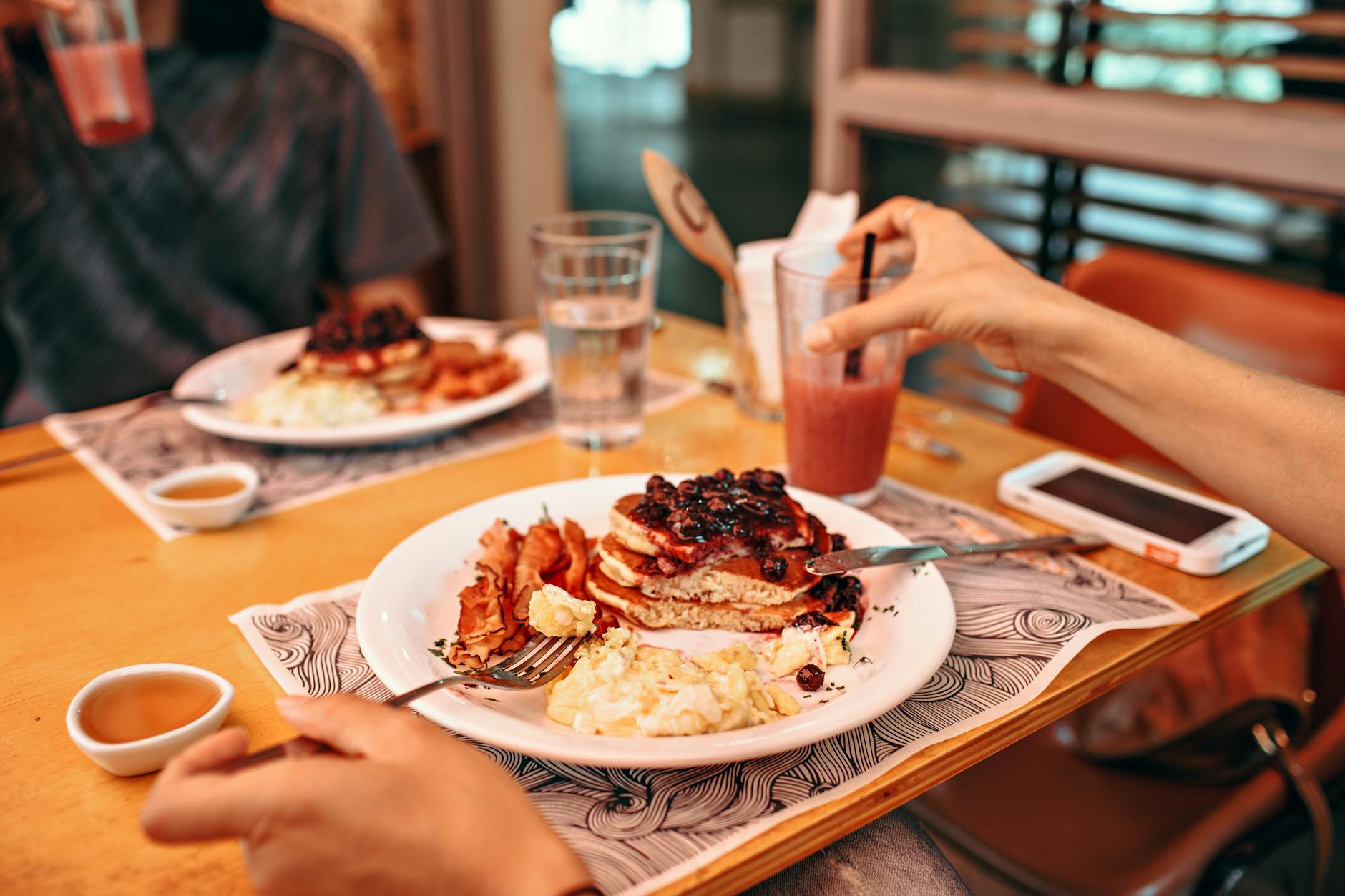
When you’re exhausted and dinner still needs to appear, breakfast foods become dinner—and there’s no shame in it. Farm families knew this instinctively.
Biscuits and Gravy: Make a simple biscuit dough (flour, baking powder, salt, butter or shortening, milk), bake them. Make sausage gravy (cooked ground sausage, sprinkle flour over it, add milk, season with salt and pepper, cook until thick). Serve biscuits smothered in gravy. It’s filling, comforting, and uses cheap ingredients to feed many.
Pancakes or Waffles: When made in quantity, these become dinner. Serve with whatever you have—syrup, butter, jam, or even savory toppings like eggs and bacon.
The logic is sound—breakfast foods are economical and quick to prepare. Eggs, flour, milk—these staples were always available, and they could be transformed into meals that felt generous even when budgets were tight.
Casseroles
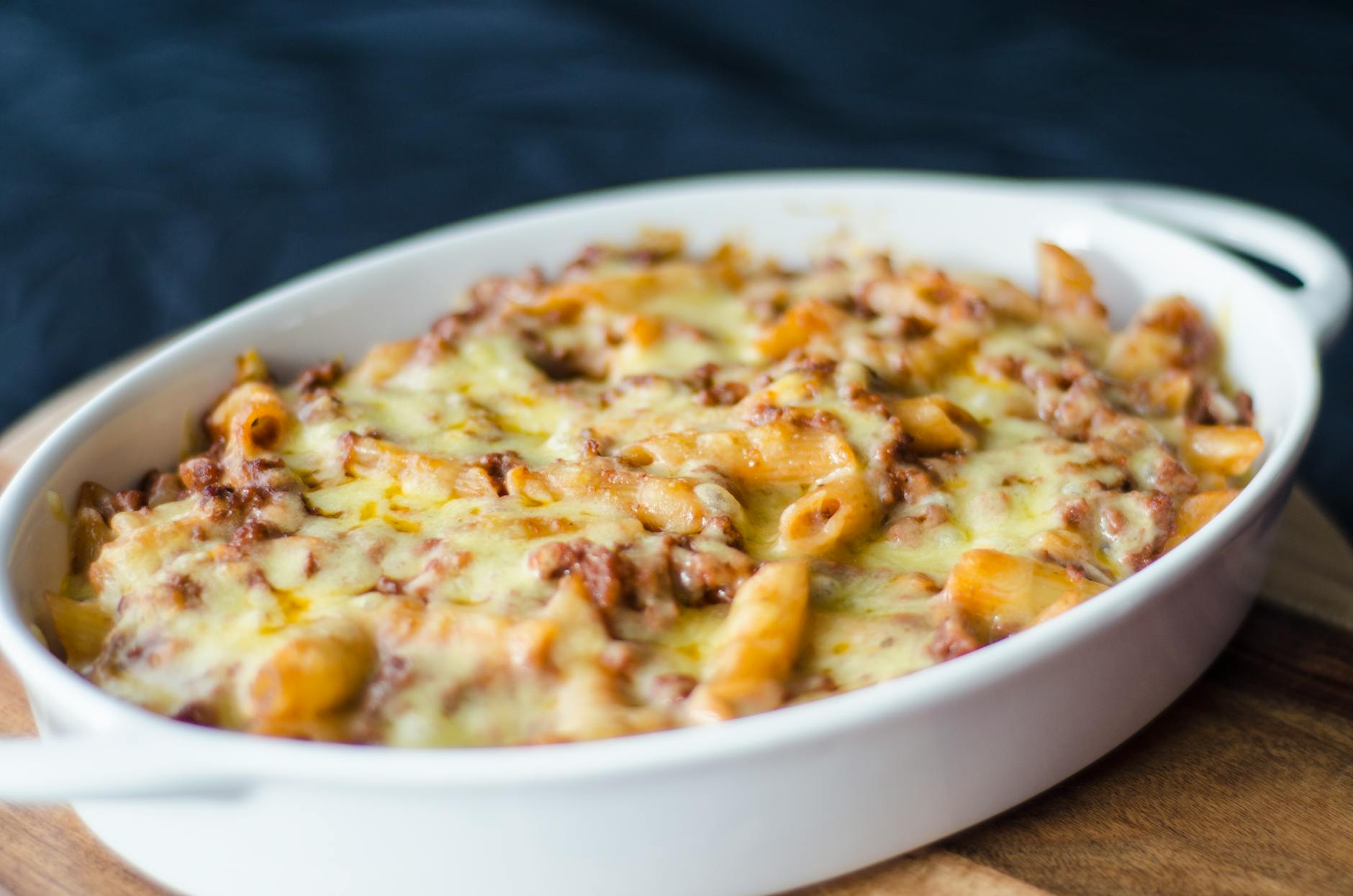
Before casseroles became a potluck punchline, they were serious business—a way to combine starches, proteins, and vegetables into a single dish that could feed a crowd and reheat well for subsequent meals.
Tuna Noodle Casserole: Cook egg noodles, mix with canned tuna, cream of mushroom soup (or make a simple white sauce), add frozen peas if you have them, top with breadcrumbs or crushed crackers, bake until bubbly. It’s a complete meal in one dish.
Shepherd’s Pie: Ground meat cooked with onions and whatever vegetables you have, topped with mashed potatoes, baked until golden. One pan feeds a family, and it uses cheap ingredients to create something that feels substantial.
The Casserole Philosophy: The specifics matter less than the concept—combine a starch, a protein, something creamy to bind it together, vegetables for nutrition, and bake it. These dishes were designed to stretch expensive ingredients with filling, cheap ones. They’re not glamorous, but they work.
Cornbread and Milk
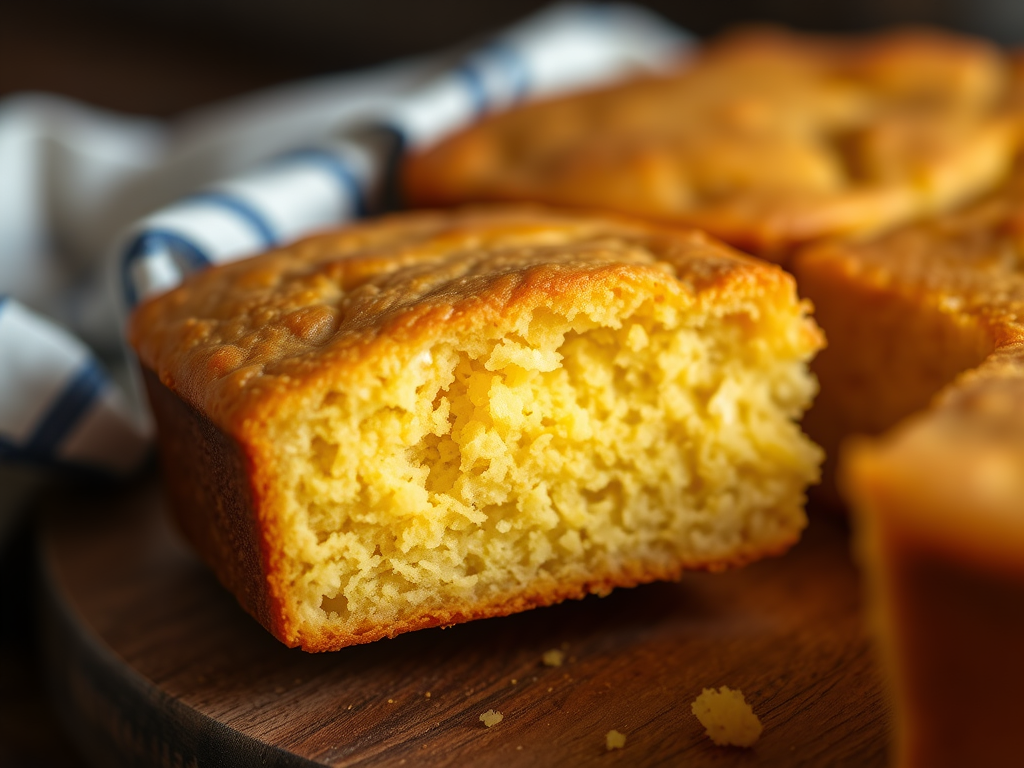
My grandmother told stories about cornbread and milk—literally crumbling cornbread into a glass of cold milk and eating it with a spoon. During the Depression, this was sometimes dinner. It sounds impossibly simple, almost impoverished, and there’s something poignant about it too.
When times are hardest, we reduce meals to their essentials. Cornbread costs pennies to make—cornmeal, flour, egg, milk, and baking powder. It’s filling and slightly sweet. Combined with milk, it becomes a complete protein. It sustained people through genuinely difficult times.
I’m not suggesting this as a regular meal, but I share it because sometimes knowing our ancestors survived on less helps us feel less anxious about our own constraints. If they could thrive on cornbread and milk, we can manage with what we have.
Pot Pies
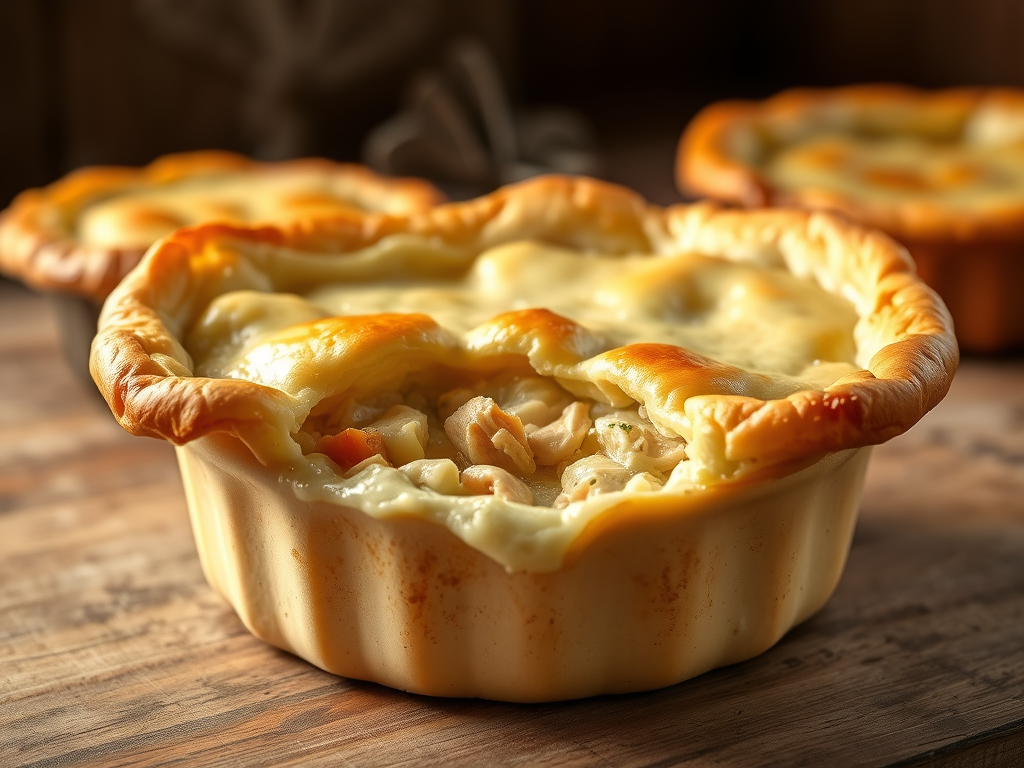
Chicken pot pie, turkey pot pie, beef pot pie—the protein almost didn’t matter. What mattered was the principle: take leftover meat, add vegetables, make a simple gravy, top with pie crust or biscuit dough, bake until golden.
The Filling Formula: About 2-3 cups cooked, diced meat + 2-3 cups mixed vegetables (fresh, frozen, or canned) + gravy (make a simple roux with butter and flour, add broth and milk, season). Pour into a baking dish, top with crust, and bake at 400 degrees for 30-40 minutes.
This is how grandmothers used Thanksgiving turkey for a week. The Sunday chicken became Monday’s pot pie. Nothing was wasted; everything was transformed.
The Sunday Roast Chicken
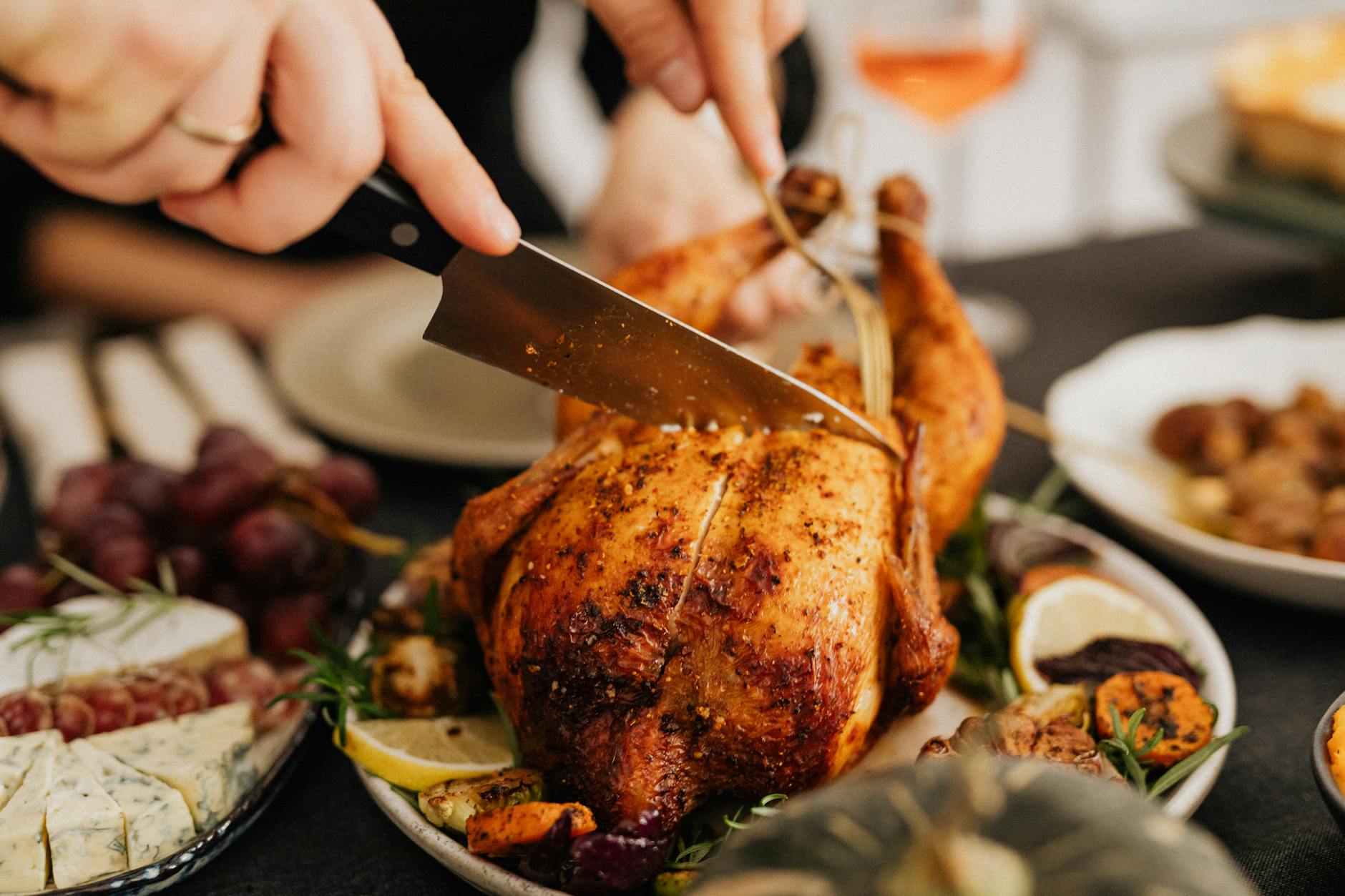
A whole chicken, roasted simply with butter or oil, salt, and pepper, fed a family for Sunday dinner. But the intelligence was in what came after.
Monday: Chicken sandwiches or chicken salad with leftover meat
Tuesday: Chicken soup from the carcass
Wednesday: Chicken and rice or chicken pot pie with remaining meat
One chicken, multiple meals, minimal additional cost. This wasn’t elaborate meal planning—it was simply understanding how to extract maximum value from a single ingredient.
Potato Soup
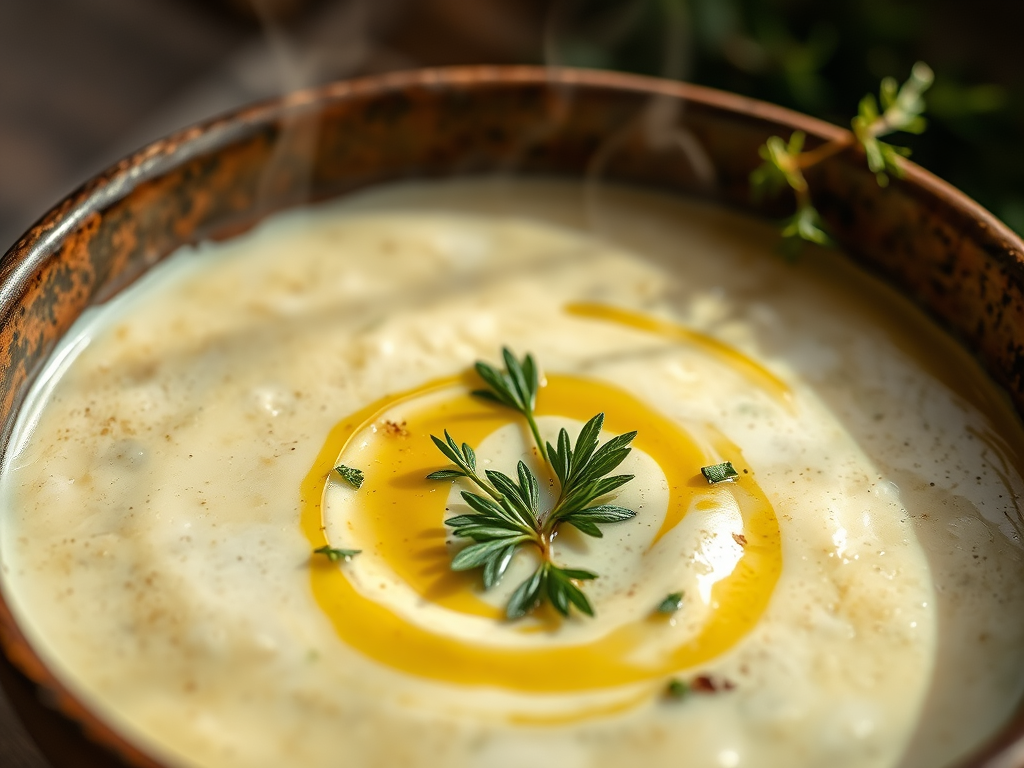
When you have a root cellar full of potatoes, potato soup becomes a regular occurrence. It’s simple, filling, and can be stretched to feed unexpected guests.
The Basic Method: Dice potatoes and onions, cook in water or broth until tender. Mash some of the potatoes to thicken the soup naturally. Add milk or cream if available (even canned evaporated milk works). Season with salt, pepper, and butter. Top with whatever you have—bacon bits, cheese, green onions.
The variations are endless—add carrots, add celery, add corn. But the base is just potatoes and liquid, which makes it accessible even when resources are scarce.
What These Meals Teach Us

There’s a philosophy embedded in these old recipes that goes beyond ingredients and techniques. It’s about understanding food as sustenance rather than entertainment. It’s about cooking that serves life rather than requiring life to serve it. It’s about the wisdom of making enough, of planning for leftovers, of knowing that the second and third iterations of a meal can be just as satisfying as the first.
Our great-grandmothers weren’t food bloggers. They didn’t worry about plating or photography. They worried about getting dinner on the table after a full day’s work, about making limited resources stretch, about feeding people they loved with whatever they had available. And somehow, those priorities created food that still resonates as deeply comforting decades later.
We don’t need to romanticize the past—life was harder in many ways. But we can learn from its practicalities. We can remember that good food doesn’t require complexity. That feeding people well is about nourishment and care, not performance. That the recipes meant to feed families, to sustain labor, to stretch budgets—these are the recipes that endure.
In uncertain times, there’s something grounding about returning to these foundations. About making a pot of beans that will feed you for days. About roasting a chicken and planning its transformation. About understanding that the simple act of cooking, of feeding ourselves and those we love, connects us to generations of people who did the same with grace.
The kitchen table that sat ten? It’s still there, metaphorically at least. And these recipes still work, still satisfy, still remind us that we carry within us the knowledge of how to care for each other, even when—especially when—times are hard.
What family recipes have sustained you across generations? I’d love to hear about the meals that meant “home” in your family.







 Kat McAdaragh
Leave a comment