
The performance of rest and what it costs us
I used to think I was bad at resting.
Not in the literal sense—I could sit on a couch with the best of them. However, the quality of my rest always felt inadequate, as if I were doing it wrong. I’d finally carve out time for some self-care time, complete with face masks and bath bombs and a meditation app everyone swears by, and somehow I’d finish the day feeling more exhausted than when I started.
The irony wasn’t lost on me. Here I was, exhausted from the performance of not being exhausted.
When Rest Becomes Another Achievement
There’s a script we follow now for what rest is supposed to look like. You’ve seen it—the aesthetically pleasing Instagram flatlays with tea and books arranged just so, the productivity YouTubers optimizing their morning routines for “maximum restoration,” the apps gamifying your sleep schedule and meditation minutes like they’re fitness goals to be conquered.
We’ve taken rest—something that should be simple, simply human—and turned it into content. Into something to be curated, tracked, and performed.
The problem isn’t that we’re trying to rest. The problem is that we’re trying to rest “correctly.” We’re bringing the same achievement-oriented mindset that burned us out in the first place to the very activities that are supposed to restore us.
You can’t hustle your way into peace. Trust me, I’ve tried.
The Quiet Rebellion of Actually Doing Nothing
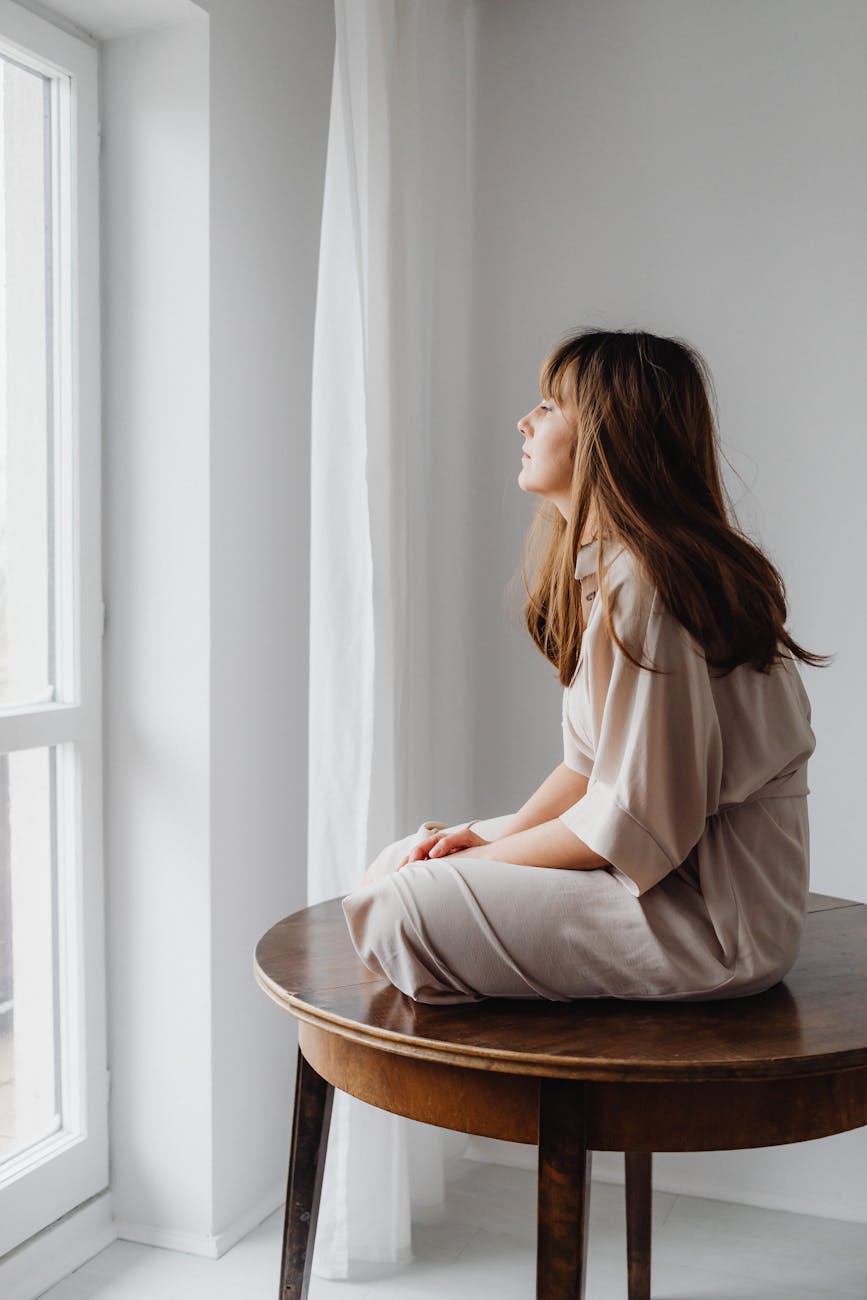
Real rest, I’ve discovered, is unsexy.
It’s lying on the floor staring at the ceiling because that’s all you have the capacity for right now. It’s rewatching that comfort show for the hundredth time instead of finally starting that critically acclaimed series everyone says you should watch. It’s saying no to social plans without offering an elaborate excuse about why you’re busy.
It’s the absence of optimization. The permission to be unproductive. The act of existing without performing your existence for anyone—including yourself.
There’s something subversive about this kind of rest in a culture that tells us every moment must be maximized, monetized, or meaningful. That even our downtime should be “intentional” and “aligned with our values.” That we need to turn recovery into another form of self-improvement.
Sometimes rest is just…rest. Not a reset button that makes you a better version of yourself. Not a strategic retreat before the next hustle. Just a moment of being without becoming.
The Permission You’ve Been Waiting For
If you’re reading this hoping for five science-backed tips to optimize your rest or a morning routine that will change your life, I’m going to disappoint you.
Because the truth is, you already know how to rest. You know it instinctively as a child, before you learned that productivity was a virtue and stillness was suspicious. Before rest became something you had to earn through exhaustion or justify with future productivity.
What you’ve forgotten isn’t how to rest—it’s that you’re allowed to.
You’re allowed to rest without having completed everything on your to-do list. You’re allowed to rest without being “productive” or “restorative” in measurable ways. You’re allowed to rest simply because you’re a human being who gets tired, and rest is what tired humans need.
No performance required.
The Messiness of Real Recovery

Here’s what nobody tells you about genuine rest: it’s often uncomfortable at first.
When you stop performing and start actually resting, all the things you were running from tend to catch up. The uncomfortable feelings you’ve been too busy to process. The decisions you’ve been avoiding. The quiet voice underneath all the noise that you’ve been drowning out with constant motion.
Real rest isn’t always peaceful. Sometimes it’s boring. Sometimes it’s anxious. Sometimes it’s the vulnerable acknowledgment that you can’t keep going at this pace, and that admitting you need to slow down feels like failure in a world that glorifies grind.
But on the other side of that discomfort is the realization that your worth isn’t determined by your output. That you don’t have to earn your right to exist peacefully in your own body. That rest isn’t a luxury or a reward—it’s a fundamental human need, as essential as breathing.
Coming Home to Yourself
The best rest I’ve experienced lately happened accidentally.
I was sitting on my deck with my coffee, intending to scroll through my phone while I drank it. But my WiFi was being temperamental, and instead of immediately troubleshooting it, I just…sat there. Watched a bunny hop through my neighbor’s bushes. Listened to the wind in the trees. Though about nothing in particular.
Fifteen minutes, maybe. Nothing Instagram-worthy. Nothing optimized or intentional or aligned with my wellness goals.
Just a human being, existing. Resting in the original sense of the word—not performing recovery, not achieving relaxation, just being.
And that’s the thing about rest. It’s not something you do. It’s something you allow. It’s the space between the doing where you remember that you exist beyond your achievements, your productivity, your carefully curated image of who you’re supposed to be.
It’s coming home to yourself, exactly as you are, without trying to improve the visit.

What does rest look like for you when nobody’s watching? I would love to hear about it in the comments!






 Kat McAdaragh
Leave a comment