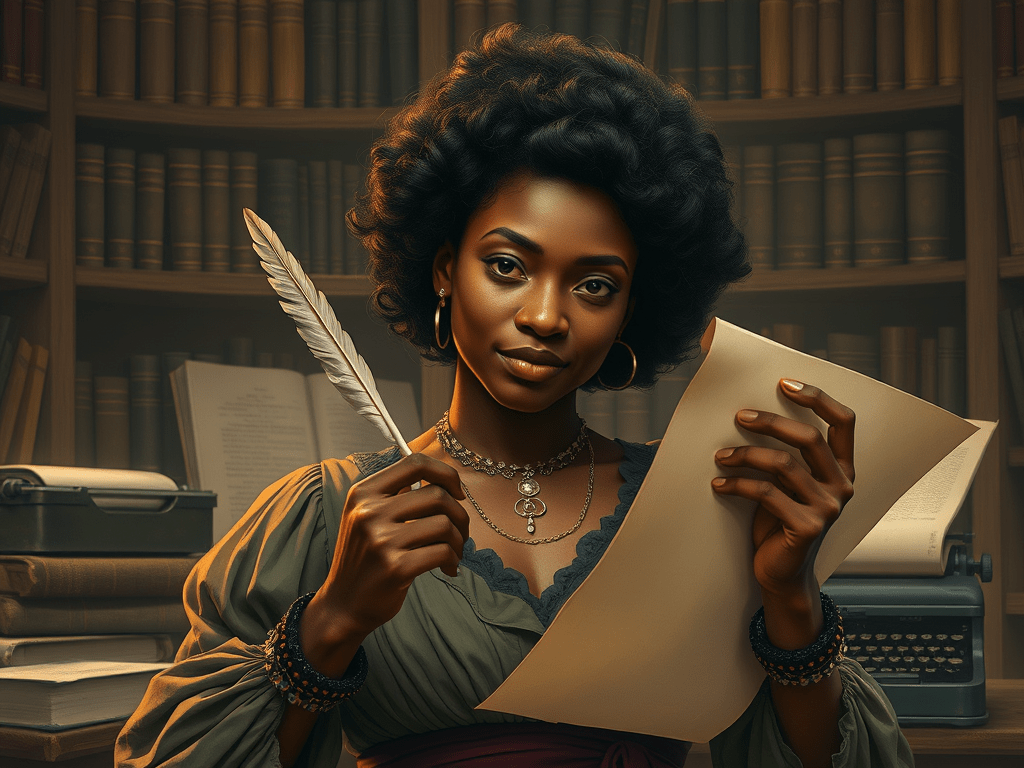
Imagine being a Black woman writer in 1900, watching white authors profit from stories about their people while getting every detail wrong. What would you do? Pauline Elizabeth Hopkins didn’t just complain—she picked up her pen and wrote the stories herself, creating some of the most powerful and unapologetically Black literature of her time.
She was writing strong Black heroines, exposing the horrors of lynching when society preferred to look away. She was building a multimedia empire—novels, plays, short stories, journalism—decades before anyone thought to call it that.
And then, like so many brilliant Black women before and after her, she was systematically erased from literary history.
The Girl Who Wouldn’t Play Small
Born in Portland, Maine, in 1859 to parents who had escaped slavery, Hopkins grew up in Boston during Reconstruction—a time when anything seemed possible for Black Americans. Her stepfather was a Civil War veteran, her mother a seamstress with big dreams for her daughter. They gave Hopkins the belief that her voice mattered.
By age 20, she was already making waves. Her play “Slaves’ Escape; or, The Underground Railroad” won a contest and was performed at Boston’s Oakland Garden in 1880. But Hopkins wasn’t content to be a one-hit wonder. She had stories to tell, and she was going to tell them her way.
The Magazine That Changed Everything
In 1990, Hopkins became the literary editor of The Colored American Magazine—the first monthly magazine published by African Americans. This wasn’t just a job; it was a mission. While mainstream publications either ignored Black experiences or portrayed them through harmful stereotypes, Hopkins created a platform where Black writers could tell their own stories.
She didn’t just edit the magazine—she filled it. Under various pseudonyms, she wrote a series of novels, short stories, biographical sketches, and opinion pieces. She was a one-woman literary movement, and she wasn’t apologizing or backing down.
Contending Forces
Hopkins’ novel, Contending Forces, was unlike anything American readers had seen before. While other writers were crafting tragic narratives designed to make white readers feel comfortable, Hopkins create complex Black characters who fought back, loved deeply, and refused to be broken by racism.
The novel follows the Montfort family across generations, unflinchingly depicting the violence of slavery and its aftermath. Hopkins wrote about lynching, sexual violence, and economic exploitation—subjects that made both white and some Black readers uneasy. But she refused to downgrade Black experiences for comfort.
“We must ourselves develop the men and women who will faithfully portray the inmost thoughts and feelings of the Negro,” Hopkins wrote. She wasn’t asking permission; she was claiming her right to tell the truth.
The Multimedia Pioneer
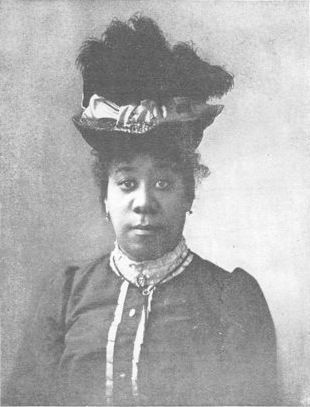
Hopkins understood something that wouldn’t become conventional wisdom until decades later: that if you want to change the narrative, you need to control multiple platforms. She wrote novels, short stories, plays, and journalism. She created biographical sketches that celebrated Black achievement. She even incorporated photographs and illustrations into her work, radical for the time.
Her short story, “Talma Gordon,” is considered one of the first detective stories written by an African American author. “A Dash for Liberty” was a gripping historical fiction about a slave rebellion. She was genre-hopping before anyone thought to categorize writers that way.
The Backlash
By 1904, Hopkins was at the height of her influence. The Colored American Magazine was thriving, and her work was reaching thousands of readers. But her portrays of racism and her calls for social justice were making powerful people flinch.
Booker T. Washington, who favored accomodations over confrontations, began pressuring the magazine’s financial backers. Hopkins found herself increasingly marginalized, her editorial control stripped away. By 1904, she was forced out of the magazine that she helped build.
The message was clear as day: there was a price for being too bold, too truthful, too unwilling to make white readers comfortable.
The Long Silence
After leaving The Colored American Magazine, Hopkins disappeared from the literary scene. She worked as a stenographer, wrote occasional pieces, and tried to publish her work independently. But the literary establishment had closed ranks against her, and she struggled to find platforms for her voice.
She died in 1930 in a house fire in Cambridge, Massachusetts, largely forgotten by a world that had once celebrated her talents. Her novels went out of print. Her contributions to American literature were erased from textbooks and literary histories.
Rediscovery

For decades, Hopkins remained in literary limbo, but in the 1970s and 80s, scholars like Claudia Tate and Hazel Carby, began excavating her work, recognizing her as a crucial figure in African American literary history. They saw what had been there all along: a writer of extraordinary talent and courage who had been silenced for refusing to compromise her vision.
Hopkins was republished, studied, and celebrated. Literary critics began to understand her true contributions. She had created a template for Black writer to tell their own stories on their own terms.
She Couldn’t Be Buried
Hopkins’ influence extends far beyond her era. She pioneered techniques that wouldn’t become mainstream until the Harlem Renaissance and beyond. Her insistence on complex Black characters, her refusal to downgrade racism, her multimedia approach to storytelling—these innovations shaped generations of writers.
Zora Neale Hurston, Langston Hughes, and Toni Morrison all walked paths that Hopkins had lit. Her belief that Black writers should control their own narratives became a cornerstone of African American literary tradition.
The Writer of Tomorrow
Hopkins understood that American literature is still struggling with authentic representation. She knew that stories have power, that whoever controls the narrative controls how people see themselves and others. She refused to let white writers be the only ones telling Black stories.
Today, when we’re having long-overdue conversations about representation in media, Hopkins feels like a prophet. She was asking questions about who gets to tell which stories, who gets published, and who gets remembered—questions that remain relevant today.
“Fiction is of great value to any people as a preserver of manners and customs.
She understood that literature isn’t just entertainment—it’s how we understand ourselves and our world
The Storyteller
Pauline Elizabeth Hopkins packed more literary innovation into a few short years than most writers achieve in a lifetime. She created complex characters, tackled difficult subjects, and built platforms for other Black voices—all while facing the double burden of racism and sexism.
She was silenced in her time, but she couldn’t be silenced forever. Her work survives as a testament to the power of refusing to compromise your vision, even when the world isn’t ready for it.
In an age when we’re still fighting for diverse voices in literature, Hopkins reminds us that this battle is nothing new. She was fighting it over a century ago, armed with nothing but her talent, her courage, and her refusal to let anyone else tell her story.



 Kat McAdaragh
Leave a comment