
Have you ever read a book by a woman writer and felt like she was speaking directly to your soul? Like she somehow knew the exact weight you carry, the precise shape of your unspoken thoughts? There’s something almost unsettling about how women’s literature can cut through centuries and still feel urgently and intimately relevant. But what we often don’t consider is the cost. The emotional labor that goes into transforming personal trauma and anguish into art that heals not just the writer, but the countless readers who will find themselves in the words.
The Invisible Architecture of Women’s Writing
When Virginia Woolf wrote in A Room of One’s Own that “a woman must have money and a room of her own if she is to write fiction,” she wasn’t just talking about a physical space. She was acknowledging something more profound: women’s creative expression has always been contingent on carving out a room in a world that demands our attention, our care, our emotional energy for everyone but ourselves.
The literature that women have created across centuries reveals a pattern that’s both beautiful and heartbreaking. From the Brontë sisters writing under male pseudonyms to contemporary voices like Roxane Gay and Chimamanda Ngozi Adichie, women have consistently used their words as both refuge and weapon, sanctuary, and battlefield. But this dual purpose comes with a cost that we rarely name, the emotional labor of bearing witness to our own experiences while also making them accessible and useful to others.
The Weight of Testimony
Consider Charlotte Perkins Gilman’s The Yellow Wallpaper, that claustrophobic masterpiece that captures the slow dissolution of a woman’s mind under the weight of medical paternalism and enforced domesticity. When I first read it, I was struck by how the narrator’s obsession with the wallpaper pattern becomes a metaphor for the patterns of oppression that trap women. But what haunts me the most is imagining Gilman herself, drawing from her own experience with the “rest cure,” and transforming her own trauma into fiction that would then serve as both a personal and social critique.
This is the burden women writers have carried. Our stories are never just our stories. They become testimony, evidence, and roadmaps for other women navigating similar struggles. The emotional labor extends far beyond the initial act of writing—it includes the responsibility of representation, the weight of speaking for those who cannot speak, the exhaustion of having our most vulnerable moments dissected as universal truths.
A Scream Disguised as Song
Jane Austen’s wit was sharp enough to cut glass, but it was also a survival mechanism. Behind the elegant social commentary of Pride and Prejudice and Emma lies a woman negotiating her own limited options in a society that offered women little beyond marriage and poverty. Her heroines’ desire for autonomy, intellectual partnerships, and financial independence weren’t just fictional conceits; they were Austen’s own unspoken longings, transformed into narrative gold.
The Brontë sisters understood this alchemy perhaps better than anyone. Emily Brontë’s Wuthering Heights is a tempest of emotion that would have been scandalous if attributed to a woman, so she became Ellis Bell. Charlotte Brontë’s Jane Eyre channels a fury about class, gender, and power that she could never have expressed in polite society, so she let her orphaned heroine do the screaming. The emotional labor wasn’t just in the writing—it was in the careful construction of personas that could house their rage without destroying their reputations.
An Echoing Chamber
Fast-forward to today, and the patterns persist, though they have evolved. Women writers like bell hooks, Audre Lorde, and Maya Angelou have done the work of naming experiences that were long marginalized or silenced. Their words have become lifelines for countless readers, but at what personal cost? How do we measure the emotional toll of becoming a public repository for others’ pain, of having your trauma transformed into teachable moments?
Social media has added another layer to this burden. Contemporary women writers are expected to be constantly available, sharing not just their polished work but their process, struggles, and daily emotional landscapes. The labor of creation has expanded to include the performance of authenticity, the curation of vulnerability, and the endless availability to readers who see in these writers a mirror of their own experiences.
The Work of Healing

There’s something both powerful and troubling about how women’s literature has been positioned as inherently therapeutic for both writers and readers. While writing can certainly be healing, the expectation that women’s words should serve as medicine for others transforms the creative process into a form of care work. Our stories become resources to be consumed rather than art to be contemplated.
This dynamic is particularly visible in memoirs and essays dealing with trauma, abuse, and mental illness. Women writers who share these experiences often find themselves cast as inspirational figures, their pain rebranded as wisdom, their survival stories turned into self-help narratives. The emotional labor of reliving trauma through writing is compounded by the pressure to make that trauma useful, instructive, and hopeful.
The Space Between the Words
What we often miss in our analysis of women’s literature is the silence. The stories that were never written, the voices that were never heard, and the emotional labor that went unrecognized. For every Virginia Woolf who found her voice, how many women were silenced by the circumstances, by the expectations, by the exhaustions of carrying everyone else’s needs before their own?
The silence is also present in what the women writers choose not to say, the parts of their experience that remain locked away because they’re too raw, too dangerous, too likely to be misunderstood. The emotional labor includes not just what is expressed, but what is carefully withheld, protected, and kept sacred.
Reclaiming the Narrative
Understanding the emotional labor inherent in women’s literary expression doesn’t diminish the power of these voices—It amplifies it. When we recognized the full cost of speaking truth to power, of transforming pain into art, of bearing witness while also healing, we can better appreciate the courage it takes to put words on paper.
This recognition also opens space for a different kind of writing, one that acknowledges the burden without being crushed by it. Contemporary writers like Ocean Vuong, Carmen Maria Machado, and Jesmyn Ward are creating works that honor the complexity of the creative process, that refuse to flatten trauma into tidy little lessons, that insist on the right to be messy, complicated, and human.
Revisiting A Room of Her Own
Woolf’s A Room of One’s Own wasn’t just about physical space or financial independence. It was about the right to creative autonomy, the freedom to write without the weight of others’ expectations, the radical possibility of creating art that serves no one but the artist herself.
Perhaps the next evolution in women’s literary expression is learning to write with full awareness of the emotional labor involved, but without being defined by it. To create words that heal without requiring us to perform that healing for others. To tell our stories not as testimony or teaching tools, but as the complex, contradictory, and beautiful truth of what it means to be human.
The scream and the silence, the women and the word—all of it deserves space on the page and in our understanding of what women’s voices have given the world.
What stories are you carrying? What words are you protecting? The conversation between writer and reader is sacred—let’s honor both the courage it takes to speak and the wisdom it takes to listen.


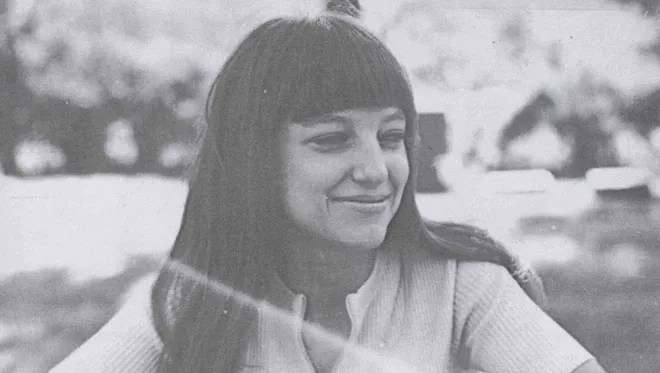


 Kat McAdaragh
Leave a comment