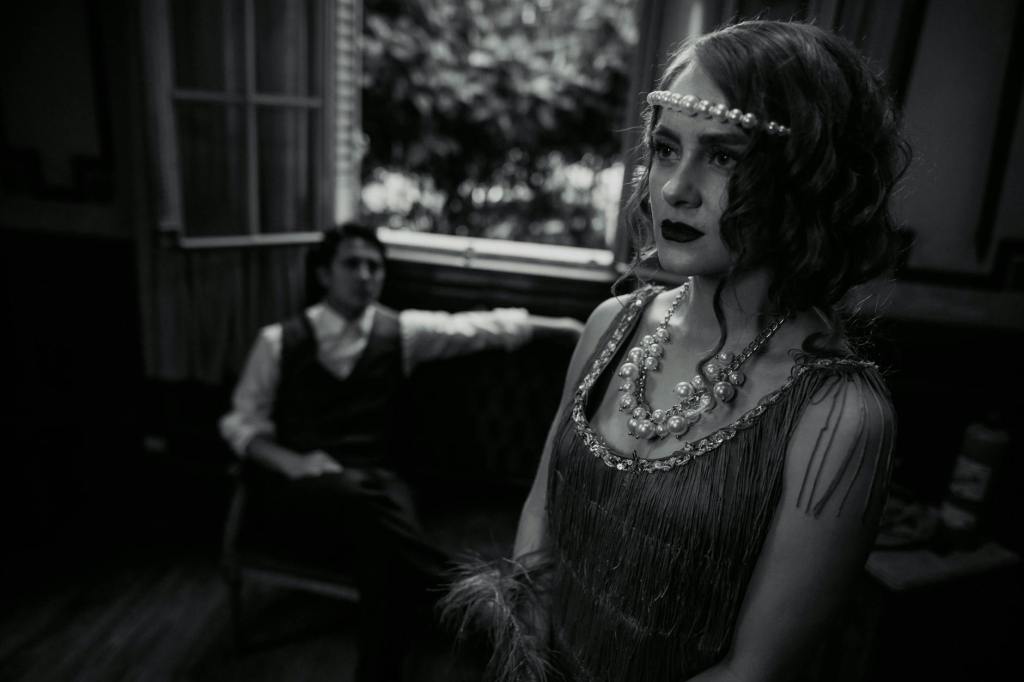
I was seventeen when I first read The Great Gatsby and completely missed the point. Like most teenagers forced to analyze it for AP English, I was focused on the green light and the American Dream and wrote dutiful essays about symbolism. It wasn’t until years later, after rereading it as an adult woman, that I saw what had been staring at me all along. This wasn’t just a story about failed ambition. This was a brutal takedown of how men turn women into objects.
That moment of recognition felt like putting on glasses for the first time. Suddenly, I could see the feminist critique that had been hiding beneath the surface of so many “classic” texts—the ones we’d been taught to revere as monuments to masculine literary genius. But what if they weren’t celebrating patriarchy at all? What if they were quietly dismantling it, one coded message at a time?
The Art of Literary Camouflage
Let’s start with something we all know: women writers throughout history have had to be strategic. They published under male pseudonyms, embedded their critiques in acceptable narratives, and learned to speak in code. But what’s fascinating is how male writers—perhaps unconsciously—have done the same thing. Classic literature often harbors resilient female protagonists and subversive gender commentary beneath its surface, even when it wasn’t marketed as feminist work.
Take Frankenstein. We’ve all been taught to read it as the ultimate tale of masculine hubris—man playing God, science gone wrong, the dangers of unchecked ambition. But look closer. Mary Shelley didn’t just write about a monster; she wrote about what happens when men refuse to nurture what they created. Victor Frankenstein abandons his “child” the moment it comes to life, and that abandonment becomes the source of all the novel’s tragedy.
Sound familiar? It should. Shelley was writing about deadbeat fathers before we had the language for it. She was critiquing the masculine tendency to create and abandon, to innovate without taking responsibility. The monster’s rage isn’t just about being ugly—it’s about being neglected, about being brought into the world by someone who immediately refused to provide care or guidance.
The Great Gatsby’s Secret Feminist Heart
Then there’s The Great Gatsby. We’re supposed to see it as the great American novel about the corruption of the American Dream. And sure, it’s that. But it’s also a devastating critique of how women become objects in men’s fantasies of success.
Daisy represents more than just lost love. She represents how patriarchal society reduces women to symbols rather than treating them as full human beings. Gatsby doesn’t love Daisy; he loves what she represents. She’s his green light, his trophy, his proof that he’s made it. The tragedy isn’t that he can’t have her—it’s that he never actually sees her as a person.
Nick, meanwhile, spends the entire novel observing these men and their destructive relationships with women, and his disgust with it all is palpable. Fitzgerald isn’t celebrating Gatsby’s obsession; he’s skewering it. The whole novel is a condemnation of a society that teaches men to view women as prizes to be won rather than people to be known.
Lord of the Flies and Toxic Masculinity
Here’s one that might surprise you: Lord of the Flies. Yes, the book with literally zero female characters is actually a feminist text.
Golding wasn’t just writing about boys being savage; he was writing about what happens when you remove all feminine influence from society. The boys’ descent into violence represents the ultimate failure of purely masculine social structures. Ralf tries to maintain civilization through democratic discussion and care for the group’s wellbeing, traditionally “feminine” approaches to leadership. Jack succeeds through violence, dominance, and fear—the patriarchal playbook.
The novel isn’t saying “this is human nature.” It’s saying, “This is what happens when you build a society around masculine aggression and competition while excluding feminine values like cooperation and nurturing.” The absence of women isn’t incidental—it’s the point.
Moby Dick’s Obsessive Masculinity
And then there’s Moby Dick. Ahab’s obsession with the white whale isn’t just about revenge—it’s about the toxic masculinity that demands men never show vulnerability or accept loss. Ahab’s pride was fractured the day Moby Dick took his leg, and rather than process that trauma, he turns it into a quest for domination.
The whale represents everything that can’t be conquered, controlled, or possessed. In a patriarchal worldview, this is intolerable. Melville is showing us what happens when men are so invested in being invulnerable that they’d rather destroy themselves than admit defeat. The novel becomes a meditation on how rigid masculinity ultimately destroys not just the individual man, but everyone around him.
Colonialism Meets Misogyny
Heart of Darkness is obviously about the horrors of colonialism, but it’s also about how colonialism and misogyny reinforce each other. Kurtz’s corruption isn’t just about power over African people; it’s about his complete disconnection from any feminine influence or perspective.
The women in Conrad’s novel exist only at the margins, idealized and distant. Kurtz’s Intended back in Brussels represents the “civilized” woman who must be protected from the truth. His African mistress represents the “savage” woman who exists only as an extension of male desire. Neither is allowed to be fully human. Conrad is showing us how imperial masculinity depends on keeping women—all women—at a distance, either on pedestals or in chains.
Look Between the Lines
What intrigues me about these hidden feminist themes is how they reveal something important about the literary canon. Much of the early feminist literary scholarship was concerned with the exclusion of women from the literary canon, but maybe we’ve missed how some canonical texts were actually offering critiques of patriarchy all along.
These male authors were writing from within patriarchal systems, yes, but many of them were also observing those systems with critical eyes. They saw the damage that gender roles and masculine dominance were causing—to women, to men, to society as a whole—and they wrote about it. They just couldn’t directly say it.
The Power of Coded Resistance

There’s something both heartening and heartbreaking about discovering these coded messages. Heartening because it means the critique of patriarchy has been rooted in our literary tradition. Heartbreaking because these insights had to be hidden, disguised as something else to be publishable at their time.
But maybe that’s changing. Recent years have seen a boom in fiction that reimagines stories of the past through female eyes, and we’re getting better at reading the feminist subtext that was always there. We’re learning to look for the cracks in the patriarchal facade, to listen for the whispered rebellion beneath the surface.
The next time you pick up a classic novel—especially one that’s been held up as the epitome of masculine literary achievement—try reading it with this question in mind: What is this book really saying about gender, power, and the cost of patriarchal systems? You might be surprised by what you find.
Because sometimes the most powerful feminist messages are the ones that have been hiding in plain sight all along, just waiting for us to finally have the language and the courage to decode them.






 Kat McAdaragh
Leave a comment