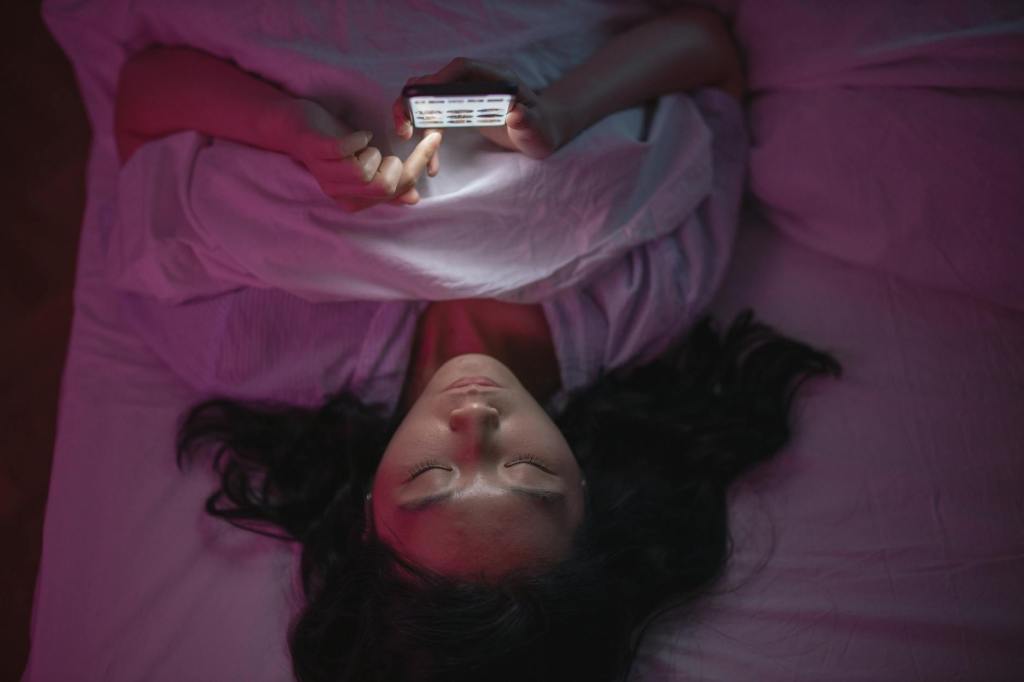
There’s a scene in Sally Rooney’s Normal People where Marianne refreshed her Facebook feed obsessively, scrolling through images of her classmates living what appears to be perfect lives while she sits alone in her room, feeling more disconnected than ever. It’s a moment that perfectly captures our modern paradox. We’re more connected than any generation in human history, yet loneliness has become an epidemic.
But here’s what’s fascinating—writers have been exploring this exact scenario for decades, long before we had terms like “social media fatigue” or “comparison culture.” Literature has always been our early warning system for social shifts, and the loneliness epidemic. Authors have been mapping that territory while the rest of us were still figuring out how to upload profile pictures.
Digital Isolation & Literature
David Foster Wallace was writing about the crushing weight of modern connectivity and its isolating effects in Infinite Jest back in 1996. His vision of entertainment so addictive that people literally couldn’t stop watching it, feels less like science fiction and more like this afternoon’s doom-scrolling session.
Or Jennifer Egan’s A Visit from the Goon Squad, which explored how technology changes the way we relate to each other and ourselves. Published in 2010, right when social media was becoming commonplace, Egan was already asking the questions we’re still grappling with. What happens to authentic connection when everything is performed? How do we maintain intimacy in an age of constant documentation?
These writers weren’t just storytellers, they were sociologists in disguise, tracking the fault lines in human connection before the rest of us even noticed the cracks.
The Great Performance
Social media promised us community, but what it delivered was a stage. And literature has been dissecting the psychology of performance long before Instagram even existed. Look at The Great Gatsby—what is Jay Gatsby if not the ultimate influencer, creating an elaborate persona to attract the attention of someone who might not even notice him?
The difference is that Gatsby’s performance was exhausting for one person. Now we’re all performing our lives for audiences of hundreds or thousands, crafting the perfect caption, choosing the right filter, presenting ourselves as happy, successful, and fulfilled. Is it any wonder we’re all exhausted?
Contemporary authors like Hanya Yanagihara in A Little Life and Ottessa Moshfegh in My Year of Rest and Relaxation are exploring what happens when the performance becomes unbearable. Their characters retreat, isolate, and struggle with the gap between their public selves and their private pain—a gap that social media has made into a chasm.
The Literature of Scrolling

There’s something almost literary about the way we consume social media. We’re reading fragments of other people’s stories, getting glimpses into their narratives without context or any resolutions. It’s like reading a novel where someone has randomly torn out pages and rearranged them.
Authors like Patricia Lockwood in No One Is Talking About This have started writing books that mirror this fragmented way of consuming information. The novel literally reads like a social media feed—disjointed thoughts, viral moments, the way our attention jumps from global catastrophe to someone’s lunch photo without missing a beat.
This fragmentation isn’t just changing how we read literature; it’s changing how we process our own lives. We’re living in status updates, thinking in tweetable moments, reducing complex emotions to emoji reactions. And the loneliness comes from never quite feeling like we’re experiencing the full story of our own lives.
The Empathy Gap
One of the ways social media has contributed to this loneliness is by giving us the illusion of empathy without the substance. We react with a heart emoji to someone’s post about their grandmother’s death, we share articles about important causes, and we comment “sending love” on a friend’s difficult news. But are we actually connecting?
Literature has always been called the great empathy machine. When we read about someone else’s inner life, we practice understanding experiences outside our own. But there’s a big difference between reading Virginia Woolf’s exploration of the complex human consciousness in Mrs. Dalloway and reading someone’s carefully curated Instagram caption about their “journey.”
Real empathy requires sustained attention, patience, and the willingness to sit with the complexity. Social media gives us empathy as if we’re ordering fast food—quick, easy, and ultimately unsatisfying. We feel like we’re connecting with others, but we’re actually just consuming bite-sized versions of their humanity.
Books That Understand Our Loneliness
Some of the most powerful contemporary literature is coming from authors who understand that our digital loneliness is different from previous generations’ isolation. It’s not the loneliness of being physically alone—it’s the loneliness of being surrounded by connection that doesn’t quite connect.
Zadie Smith in NW captures the way we can feel isolated even in the middle of a vibrant community. Her characters are hyperconnected to information, news, and other people’s lives, but they struggle to feel genuinely known or understood. Sound familiar?
Or look at books like Exit West by Mohsin Hamid, which uses magical realism to explore how technology creates both bridges and barriers between people. The doors in the novel that allow instant travel between distant places are metaphors for social media. They promise connection but they can’t guarantee understanding.
The Shared Loneliness
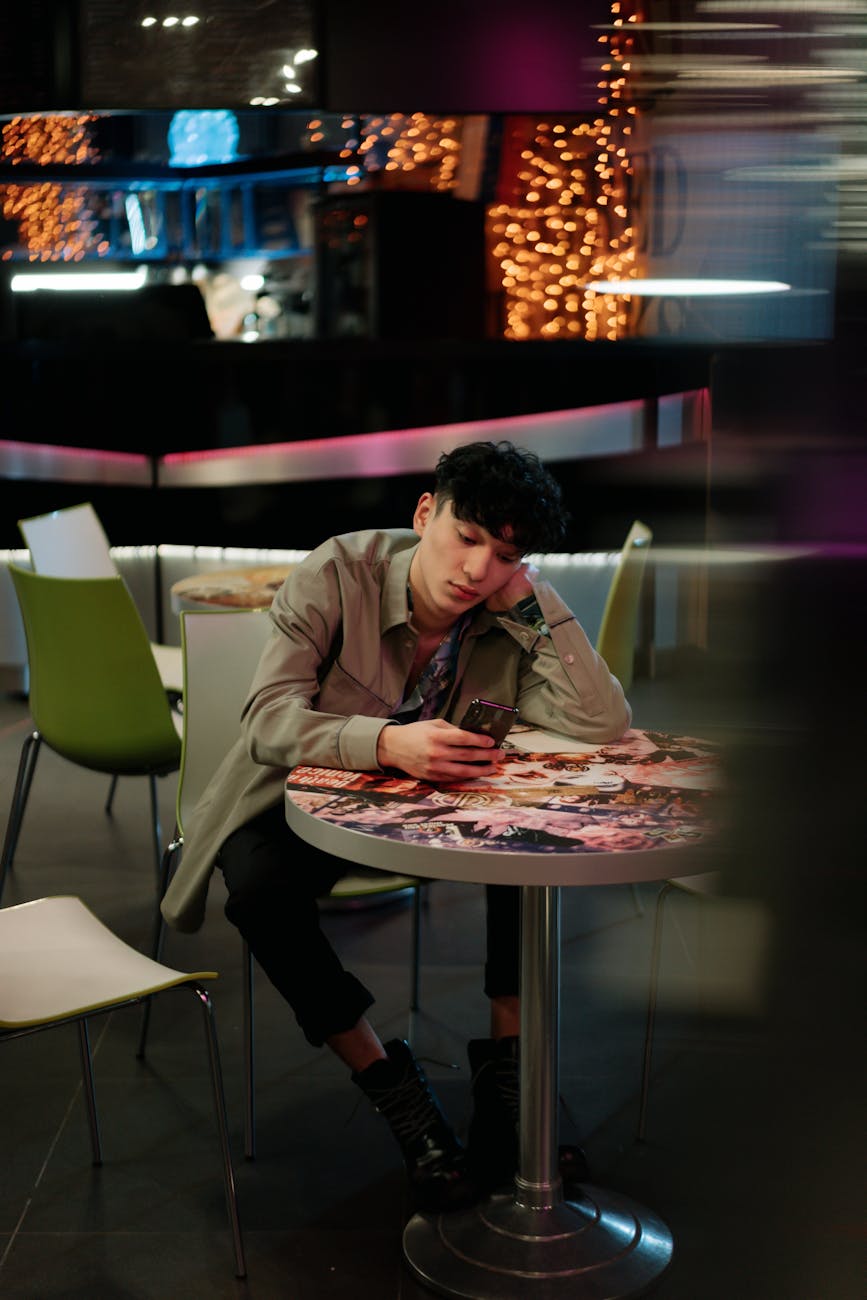
Here’s something that I found interesting that literature has been exploring lately: sometimes our loneliness is what connects us. Books like A Man Called Ove by Fredrik Backman or Eleanor Oliphant Is Completely Fine by Gail Honeyman don’t shy away from the reality of isolation, but they show how recognizing our shared human loneliness can be the first step toward genuine connection.
Social media has made us aware that we’re not alone in feeling alone. There are entire hashtags dedicated to mental health struggles, countless posts about anxiety and depression, and viral threads about the difficulty of making friends as an adult. In some ways, the platforms that isolated us are also helping us name our isolation and helping us find others who understand it.
Deep Reading vs. Shallow Scrolling
Maybe one of the most important things literature offers us in our digital loneliness age is the practice of sustained attention. When we read a novel, we’re committing to spending hours inside someone else’s consciousness. We’re practicing the kind of deep, patient attention that meaningful relationships require.
Compare that with the way we engage on social media—quick likes, brief comments, rapid scrolling to the next bit of content. We’re training our brains for surface-level engagement, and then wondering why our relationships feel shallow.
Authors like Jenny Offill in Dept. of Speculation and Weather are experimenting with forms that acknowledge our shortened attention spans while still demanding emotional depth. They’re showing us that it’s possible to create meaningful art within the constraints of our distracted age.
Future of Connections
So, where does this leave us? Literature suggests that the solution to digital loneliness isn’t necessarily less technology. It’s a more intentional connection. Books like The Midnight Library by Matt Haig or Klara and the Sun by Kazuo Ishiguro explore what it means to be genuinely present with another person, whether that person is human or AI.
The writers exploring our digital age aren’t advocating for a return to some pre-Internet golden age of connection. They’re helping us navigate the complexity of maintaining humanity in an increasingly mediated world. They’re showing us that loneliness has always been part of the human condition—what’s changed is the way we experience and understand it.
The Reading Resistance

In the end, maybe reading literature itself is an act of resistance against the loneliness epidemic. When we choose to spend time with a book instead of scrolling through feeds, we’re practicing the kind of sustained, empathetic attention that meaningful relationships require.
We’re also connecting with the authors who wrote these books. People who felt compelled to explore the deepest questions of human experience and share them with strangers. There’s something hopeful about the act of reading. Someone you’ve never met spent years crafting sentences they hoped would resonate with you, and here you are, letting their words change the way you see the world.
That’s not virtual connection—that’s the real thing. And maybe that’s exactly the kind of practice we need to remember how to truly connect with the people in our actual lives.
Literature didn’t just predict our loneliness epidemic—it’s been preparing us for how to survive it. The question is whether we’re brave enough to put down our phones long enough to let it guide us home to each other.



 Kat McAdaragh
Leave a comment