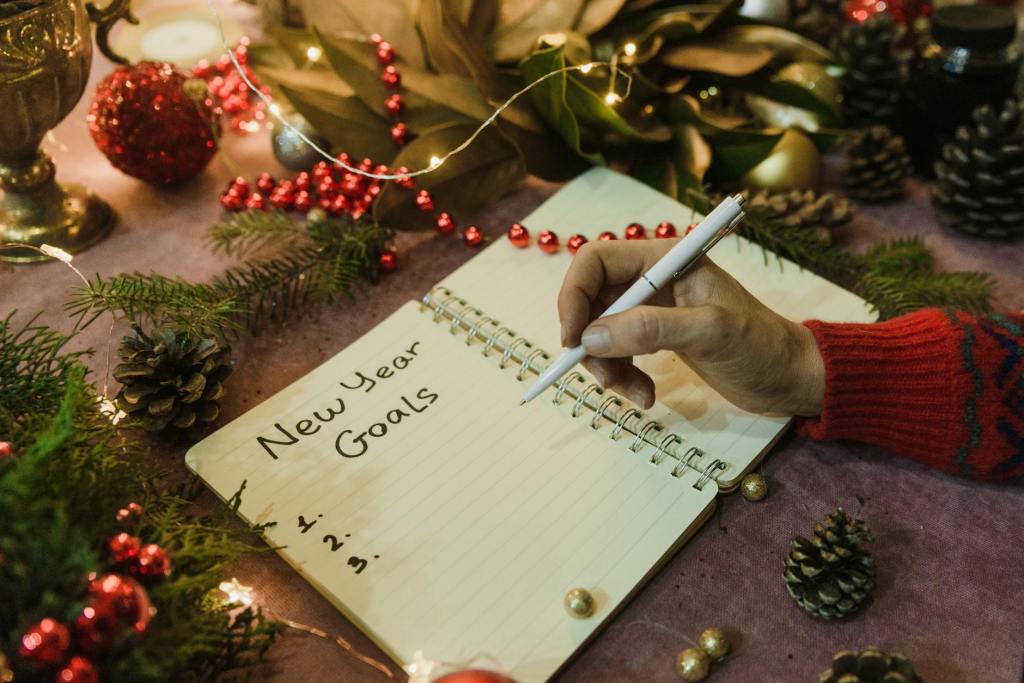
Every January 1st, for the New Year, I’d sit down with a steaming cup of coffee, a new crisp notebook, and an unrealistic amount of optimism and motivation, and I’d create my list of New Year’s resolutions. The usuals are always there: “Stop procrastinating and become more organized,” “Write at least one article each week,” and “Lose 10 pounds.” I would also challenge myself to “Become debt free,” “Buy a house,” and “Get a degree or certification.” The goals always looked good on paper, and I was great at knocking them off the list. I was a natural goal-getter if you would.
But the problem I would run into was this list full of challenges and goals became a to-do list. I would accomplish a goal, and cross it off the list, but the feeling of achievement was short-lived. I would be proud of myself for a few weeks, motivated and empowered to move on to the next goal, but I wasn’t fulfilled.
I became addicted to that short-lived feeling, adding more and more goals, crossing them off one, two, maybe three at a time. But as soon as they were off my list, they were out of my mind. Nothing seemed to stick or make a huge impact on my life.
Then last year, I decided to throw the whole resolution craze right out my bedroom window and instead, I started focusing on the real intentions that I wanted for my life. And let me tell you, that simple shift changed everything for me.
Resolutions vs. Intentions
Let’s be honest: resolutions often come with a side of guilt and a dash of unrealistic expectations. They are rigid with a pass-fail mentality that can leave you feeling worse about yourself, if you didn’t succeed, than when you started. Resolutions say, “You need to fix this about yourself or your life,” while intentions are softer and whisper, “Let’s grow.”
Intentions are rooted in mindfulness and self-compassion. They focus on how you want to feel, who you want to become, and the journey of getting there rather than the outcome or destination. Instead of setting a resolution like “Lose 10 pounds,” you may think about setting an intention to “nurture your body and mind.” See the difference? One belongs on a to-do list, while the other is the lighthouse guiding you towards home.
How I Set Intentions

This shift didn’t just happen overnight for me. It took some unlearning of old habits and beliefs, but here’s the process that works for me—one that feels the most authentic and doable.
1. Reflect on the Past Year
Before I set intentions, I take the time to reflect and journal. I ask myself questions like what worked last year? What didn’t? When did I feel the most fulfilled? What challenged me? How could I have handled it better? This isn’t about dwelling on failures but rather becoming aware of your patterns and gathering insights into yourself. I prefer to journal while doing this so I can look back on it from year to year, but you do what works best for you.
2. Choose How I Want to Feel
I think about how I want to feel moving forward. Maybe it’s peace, joy, curiosity, or courage. This drives my decisions on what to focus on, a compass, or the direction I want to go.
3. Set Guiding Intentions
Once I identify my core feelings and what I want, I set a few intentions that align with them. For example, if I am looking to feel more grounded, an intention may be, “I will create spaces for stillness in my daily life.”
4. Focus on Small and Consistent Actions
This is where the magic happens, ladies and gentlemen. Intentions are not just lofty broad ideas; they need to be grounded in actions. But instead of overwhelming myself with unrealistic and huge changes, I focus on small and consistent steps that will move me forward. It’s not about being perfect or crossing a line off of your to-do list, it’s about showing up for yourself.
What’s Changed for Me
Since switching from resolutions to intentions, my life feels less like a never-ending to-do list and more like an adventure. Here are some things that I have noticed:
- More Joy and Peace, Less Pressure: Without the rules of resolutions, I’ve found more peace and joy in the process. There’s no guilt if I skip a day, need to rest, or need to adjust or re-evaluate my approach.
- Sustainable Habits: Intentions help me create habits that actually stick because they are rooted in how I want to feel, not arbitrary goals.
- A Deeper Connection with Myself: This process has made me more mindful and aware of what I truly need and want, not what society expects or says I should be doing.
A Few Examples of My Intentions for This Year
To give you an idea of how all of this plays out, here are some examples of intentions that I have set this year:
- “I will approach my days with curiosity and an open mind.”
- “I will honor my body by listening to its needs.”
- “I will create moments of connection with the people that I love and build deeper relationships with my children as we navigate the teenage years.”
Notice how none of these are tied to a specific timeline or outcome? That’s the beauty here—they’re about who you want to be, not just about checking things off a list.
An Invitation for You

If resolutions work for you, that’s amazing. Keep doing what you’re doing. But if you’ve ever felt trapped by them, defeated when they didn’t stick, or the achievement was short-lived and you walked away unfulfilled, consider this your invitation to try something new. Take some time to reflect on what truly matters to you. Think about how you want to feel and who you want to become. Remember, you create and write your own story. Then, set the intentions that will guide you through this journey, rather than making rules that will confine you.
You don’t need a perfect plan, or a fancy notebook (even though I do enjoy a good notebook). All you need is a willingness to be gentle with yourself and the courage to show up.
Here’s to a year of growth, meaningful change, and fulfillment—on your terms.
If you enjoyed this post and would like to support my writing journey, please buy me a coffee here. Thank you for all your love and support!




 Kat McAdaragh
Leave a comment