
I used to be a speed reader. Not by choice, mind you, but by necessity. College demanded it—racing through dense theoretical texts, skimming for key concepts, highlighting frantically before exams. This habit became so ingrained that reading became less about understanding and more about consuming. Books became checkboxes on endless syllabi, their spines accumulating like trophies of intellectual productivity.
It wasn’t until I found myself unable to remember a single meaningful passage from a novel I’d finished the week before that I realized something had shifted. Somewhere along the way, I’d forgotten how to truly read.
The Culture of Racing Through Pages
We live in an age obsessed with optimization. We measure reading success by pages per minute, books per month, and annual reading goals posted proudly on Goodreads. The pressure to read faster, consume more, and keep up with the endless stream of new releases has transformed reading from a contemplative practice into a competitive sport.
But what are we racing toward? And more importantly, what are we racing past?
Virginia Woolf once wrote, “Yet it is in our idleness, in our dreams, that the submerged truth sometimes comes to the top.” This wisdom applies beautifully to reading. The spaces between words, the pauses between chapters, the moments when we set a book down and stare into the distance—these aren’t interruptions to the reading experience. They are the reading experience.
What Slow Reading Actually Means
Slow reading isn’t about reading fewer words per minute. It’s about reading with intention, attention, and presence. It’s the difference between looking at a painting and seeing it. Between hearing music and listening to it. Between consuming a story and living within it.
When I began practicing slow reading, I discovered layers of meaning I’d been missing for years. The way Toni Morrison uses silences between dialogue to convey generations of unspoken trauma. How Joan Didion’s sentence structure mirrors the fragmented nature of grief. The careful way Marilynne Robinson builds atmosphere through the accumulation of small, precise details.
These revelations weren’t hidden in the text—they were always there, waiting for a reader willing to slow down enough to notice them.
The Physical Practice
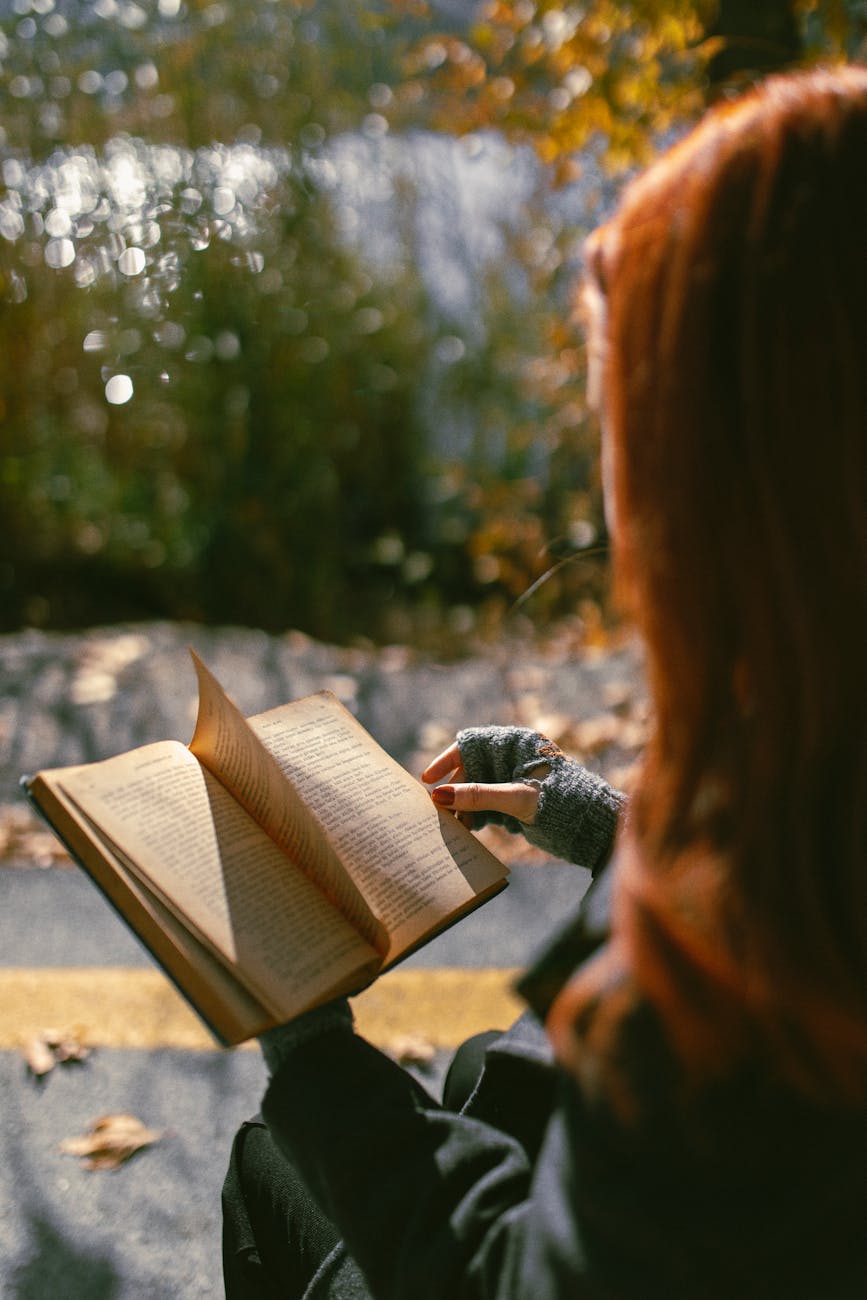
Slow reading begins with creating the right conditions. This means choosing a quiet space, putting away devices, and approaching your book with the same mindfulness you might bring to meditation. I keep a notebook nearby—not for taking extensive notes, but for capturing moments of recognition, questions that arise, or connections to other books and experiences.
The act of writing by hand while reading creates a different kind of engagement. When I pause to write down a striking sentence, I’m not just recording it—I’m letting it settle into my consciousness. I’m giving it time to resonate.
Sometimes, slow reading means reading the same passage multiple times. Not because I didn’t understand it, but because I want to understand it more clearly. The way a musician might play a beautiful phrase again and again, not out of confusion but out of appreciation.
The Emotional Dimension
Fast reading treats books like puzzles to be solved—we scan for plot points, identify themes, and move on. Slow reading treats books like experiences to be lived. It allows for the full emotional arc of a story to unfold within us.
When I slow down, I notice how my body responds to different passages. The way my breathing changes during tense scenes. How certain descriptions make me homesick for places I’ve never been. The physical sensation of recognition when a character articulates something I’ve felt but never been able to express.
This embodied reading creates lasting connections. The books I remember most vividly aren’t the ones I read fastest, but the ones I savored. They become part of my internal landscape, referenced in moments of joy or sorrow, their wisdom available when I need it most.
The Act of Lingering
In our productivity-obsessed culture, choosing to read slowly is almost radical. It’s a rejection of the idea that more is always better. It’s an insistence that depth matters more than breadth, that understanding matters more than completion.
I think of it as literary mindfulness—the practice of being fully present with whatever text is before me. This doesn’t mean reading reverently or losing critical thinking. It means engaging with genuine curiosity and openness. It means allowing myself to be changed by what I read.
Strategies for Slow Reading
Choose your books intentionally. Not every book deserves slow reading, and that’s okay. Save this practice for books that speak to you, challenge you, or offer something you want to absorb deeply.
Read in shorter sessions. Instead of marathon reading sessions, try 20-30 minute periods of focused attention. This prevents fatigue and allows you to maintain presence throughout.
Engage in dialogue with the text. Ask questions. Challenge assumptions. Notice patterns. Reading becomes more meaningful when it’s interactive rather than passive.
Allow for rereading. Give yourself permission to return to passages that move you, confuse you, or intrigue you. Each reading reveals new layers.
Trust your instincts. If a passage makes you pause, honor that pause. If you find yourself thinking about something you read hours later, return to it. Your intuition is often pointing toward meaning.
The Gift of Slowness

Slow reading has given me gifts I didn’t know I was missing. Books stay with me longer now. Characters feel like old friends. Beautiful sentences echo in my mind for days. I’ve developed a more nuanced understanding of craft, a deeper appreciation for the artistry of language.
But perhaps most importantly, slow reading has taught me to apply the same principles to life. To notice the small moments that make up our days. To linger in experiences rather than rushing toward the next thing. To find meaning in the spaces between events.
A Gentle Beginning
I’m not suggesting you abandon all reading goals or stop enjoying page-turners. But I am inviting you to experiment with slowness. Choose one book this month—perhaps something you’ve been meaning to read for years, or something that intimidates you slightly. Give yourself permission to read it slowly.
Notice what happens when you’re not racing toward the ending. Pay attention to the journey rather than the destination. See what emerges in the spaces between words, in the pauses between chapters, in the moments when you set the book down and simply breathe.
In a world that constantly asks us to move faster, choosing to read slowly is a form of resistance. It’s a declaration that some things—beauty, wisdom, and truth—can’t be rushed. They can only be received by those patient enough to wait for them.
The books are waiting. The only question is: Are you ready to slow down enough to meet them?







 Kat McAdaragh
Leave a comment