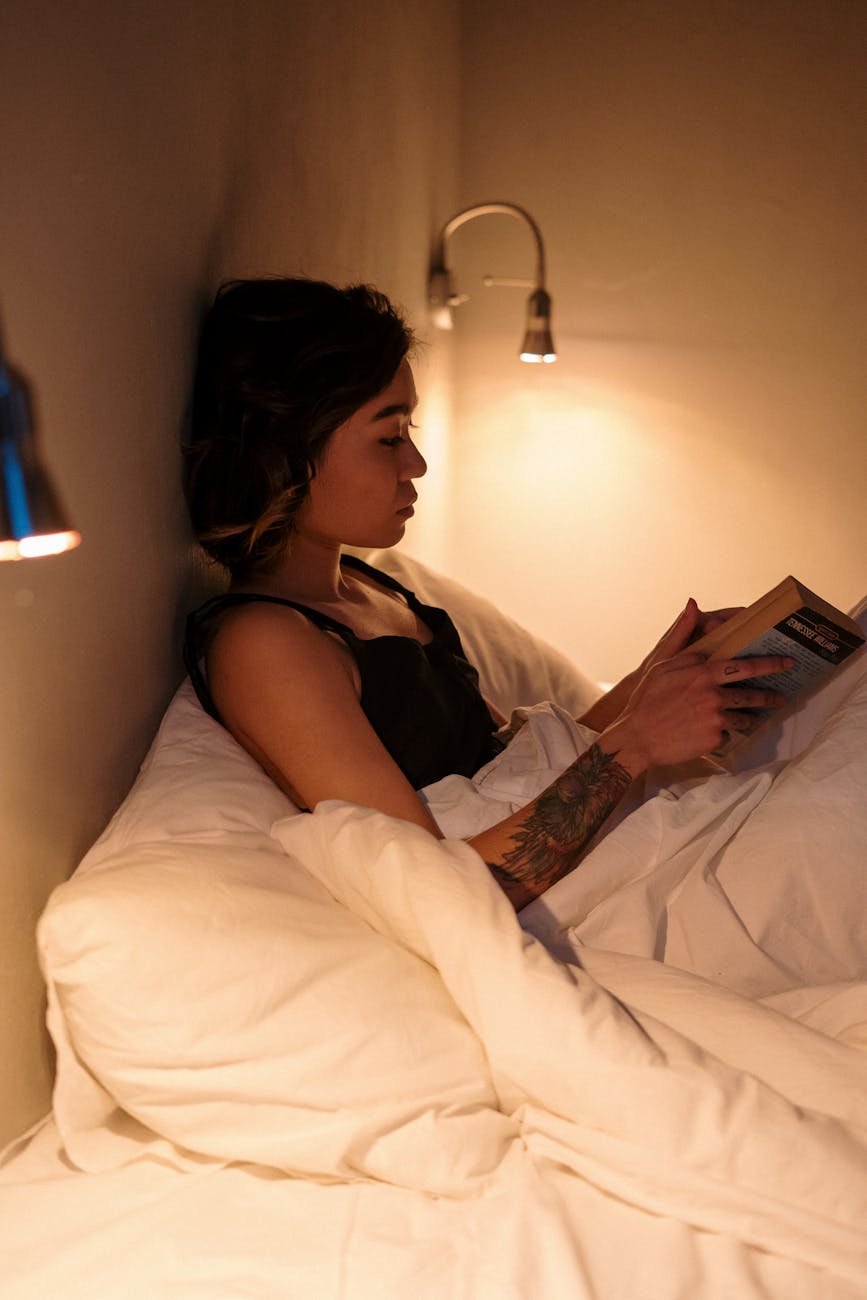
Gone Girl. The Girl on the Train. Sharp Objects. Big Little Lies. What do all these bestsellers have in common? They’re told by people you absolutely cannot trust to tell you the truth. And we’re completely obsessed with them.
Somewhere along the way, we stopped wanting our narrators to be reliable. Instead, we started craving the ones who lie to us, who forget crucial details, who see the world through such a warped lens that we have to piece together the reality ourselves. The question isn’t why these books are popular, it’s what our fascination with unreliable narrators says about us as readers, and maybe more importantly, as people living in 2025.
When Did We Stop Trusting Anyone?
We live in an age where “fake news” is part of our daily vocabulary, where we fact-check memes before sharing them, where we’ve learned that the person presenting the most polished version of their life on social media might be falling apart behind the scenes. Is it any wonder we’re drawn to narrators who reflect this reality back at us?
Unreliable narrators feel authentic in a way that “all-knowing” storytellers just don’t anymore. When Amy Dunne in Gone Girl manipulates every person around her while maintaining the facade of the perfect wife, it doesn’t feel like fiction—it feels like a Tuesday scroll through social media where everyone’s “thriving” and “grateful for new opportunities” while privately panicking about their mortgage payments.
We’ve become suspicious of anyone who claims to have the whole truth because we’ve learned that everyone’s working with incomplete information, personal biases, and their own agenda. Unreliable narrators don’t insult our intelligence by pretending otherwise.
The Comfort of Controlled Chaos

Here’s an interesting concept: reading a unreliable narrators actually gives us the sense of control that we are missing in real life. When Rachel in The Girl on the Train blacks out and can’t remember crucial details, we get to play detective. We can gather clues, make connections, and solve the mystery alongside (or despite) her foggy recollections.
In our real lives, we’re constantly dealing with unreliable narrators—politicians spinning facts, friends who conveniently forget details that make them look bad, our own memories that shift and change over time. But we rarely get the satisfaction of figuring out what really happened. Books give us that payoff. They let us be smarter than the person telling us the story.
There’s something deeply satisfying about catching a narrator in a lie or filling in the gaps they’ve left behind. It makes us feel capable, observant, intelligent—qualities we don’t get to flex when we’re just trying to figure out if our coworker actually forgot the deadline or is just playing dumb.
What We Don’t Want to Acknowledge
But maybe our love affair with unreliable narrators runs deeper than just enjoying a good puzzle. Maybe we see ourselves in them a little too clearly.
Let’s be honest, we’re all unreliable narrators of our own lives. We edit our stories to make ourselves look better, we forget details that don’t serve our preferred version of events, we interpret other people’s actions through the lens of our own insecurities and assumptions. That fight with your partner? You’re probably not telling your friends the complete version. That job interview that went badly? Your retelling of the story might conveniently skip over the part where you rambled for five minutes about your cats.
When we read about Amy’s calculated manipulations or Elena’s self-serving version of events in My Education, we might recognize something uncomfortably familiar. Not because we are all sociopaths, but because we’re all human beings who create our own narratives.
Post-Truth Literature
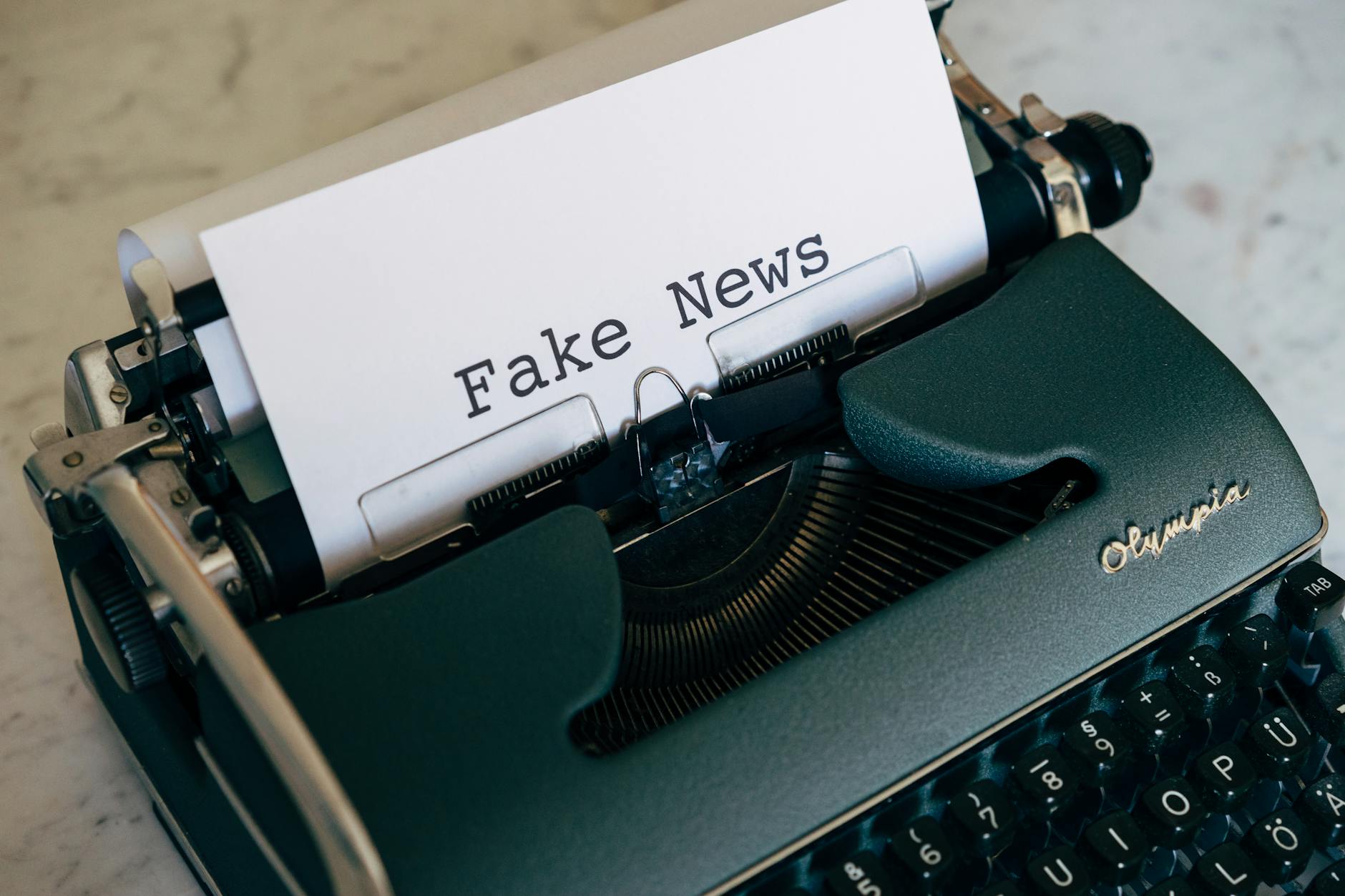
We’re living in what some call the “post-truth” era, where objective facts feel increasingly elusive and everyone seems to be operating from their own version of reality. Social media has turned us all into unreliable narrators of our own lives, carefully curating and selecting what we share and how we show our experiences.
Literature has always reflected the anxieties of its time, and unreliable narrators manifest our anxiety. They’re not just a literary device— they’re a response to a world where we can’t trust institutions, where information is weaponized, where the person next to you might be living a completely different reality despite experiencing the same events.
Books like The Seven Husbands of Evelyn Hugo or Circe don’t just entertain us with their narrators’ selective storytelling—they validate our experience of living in a world where truth feels negotiable and everyone’s got their own spin
The Empathy Exercise
Here’s what might be the most important thing about our unreliable narrator obsession: it’s teaching us empathy in a specific way. When we read these books, we’re not just trying to figure out what really happened, we’re trying to understand why the narrator is telling the story the way they are.
Why does the narrator in The Silent Patient refuse to speak? What trauma does the protagonist in In the Woods protect herself from by forgetting? What’s driving the narrator of Rebecca to see threats everywhere she looks? These books force us to dig deeper than just “this person is lying”— they make us ask “why does this person need to lie?”
In our world, where we’re quick to dismiss people whose version of events doesn’t match ours, unreliable narrators are teaching us to look for the wounds beneath the lies, the fear behind the manipulation, the humanity inside the deception.
What This Says About Our Future

Our fascination with unreliable narrators isn’t just a literary trend; it’s preparation for living in an increasingly complex world. These books are training us to be better critical thinkers, more empathetic listeners, and more sophisticated consumers of information.
They’re teaching us that truth isn’t always simple, that people’s motivations are complex, and that sometimes the most important part of a story isn’t what happened, but why someone needs to tell it a certain way.
As we move forward into the future where AI can generate convincing fake content, where deepfakes are becoming indistinguishable from reality, where everyone has the power to broadcast their version of events to the world, maybe our love of unreliable narrators is exactly the skill we need to develop.
The Mess of Human Truth
At the end of the day, our obsessions with unreliable narrators might just be our way of acknowledging something we’ve always known but haven’t always been willing to admit—truth is messy, people are complicated, and everyone’s story is filtered through their own experience, trauma, hopes, and fears.
Instead of demanding that our stories come with neat moral lessons and objective truth, we’re embracing the beautiful mess of human perception. We’re saying that it’s okay not to have all the answers, that it’s interesting when people contradict themselves, that sometimes the most honest thing you can do is admit that your version of events might not be the whole truth.
And maybe that’s exactly the kind of narrator we need right now—not someone who claims to have all the answers, but someone who’s brave enough to show us how complicated it is to be human in a world where everyone’s trying to figure out what’s real.
After all, aren’t we all just unreliable narrators trying our best to make sense of our own stories?





 Kat McAdaragh
Leave a comment