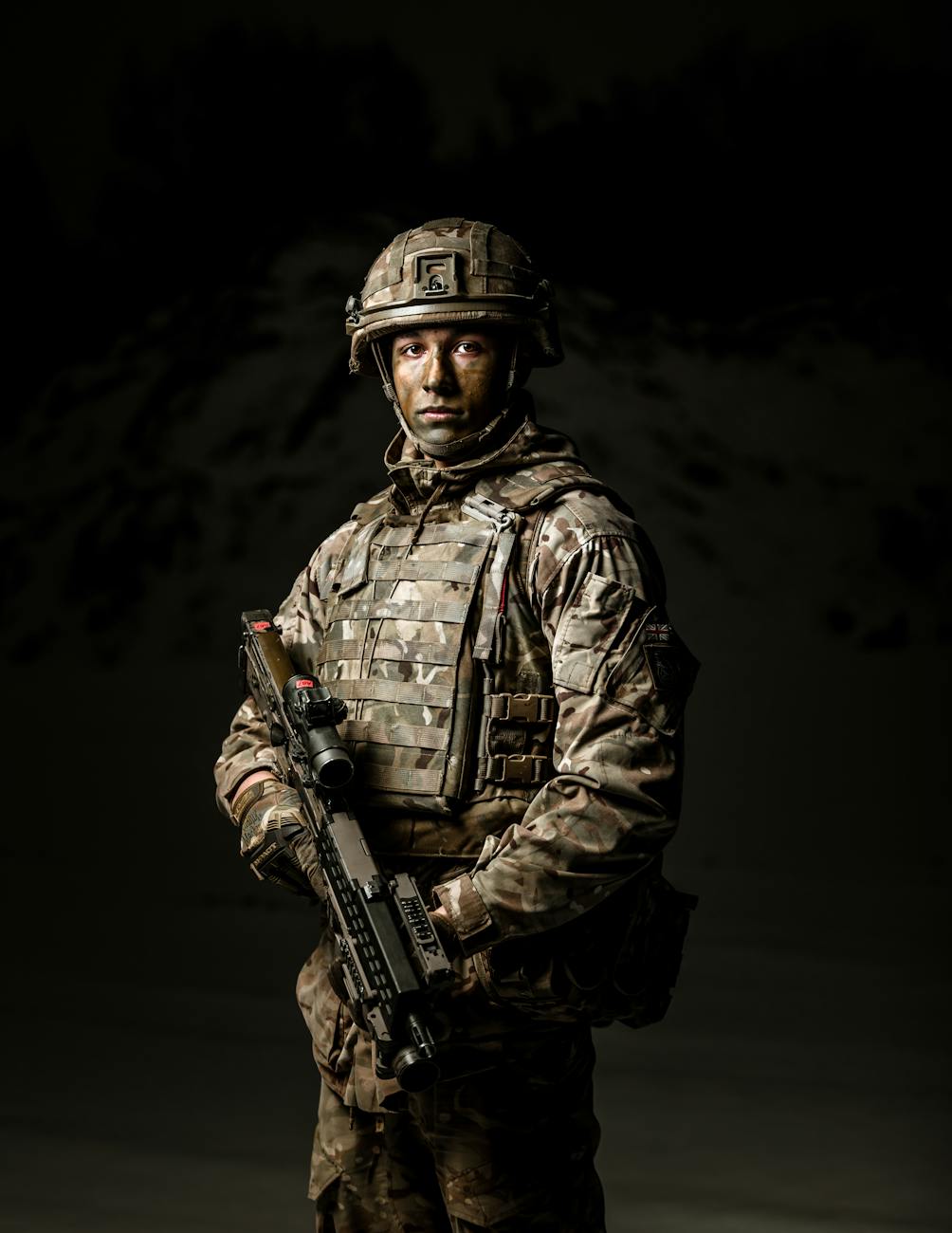
We all carry an invisible weight. Some days it’s manageable—a dull ache hanging in the backdrop of our lives. Other days it feels crushing, like we’re drowning under a mass of our fears, regrets, and responsibilities. Tim O’Brien understood this better than most when he wrote The Things They Carried, a story that’s supposedly about the Vietnam War soldiers but it really is about all of us.
Why This Story Hits So Hard
Let’s be real here—we’re all fighting some kind of battle. Maybe not with rifles in the jungles of Vietnam, but we’re all carrying an invisible weight. O’Brien’s soldiers carry physical gear, but they’re also lugging around fear, guilt, love, and desperate hope.
What makes this story so powerful is how O’Brien uses symbols, tone, and setting to show us that hope and survival are not just war themes—they’re human themes. They’re our themes.
When Fantasy Becomes a Lifeline
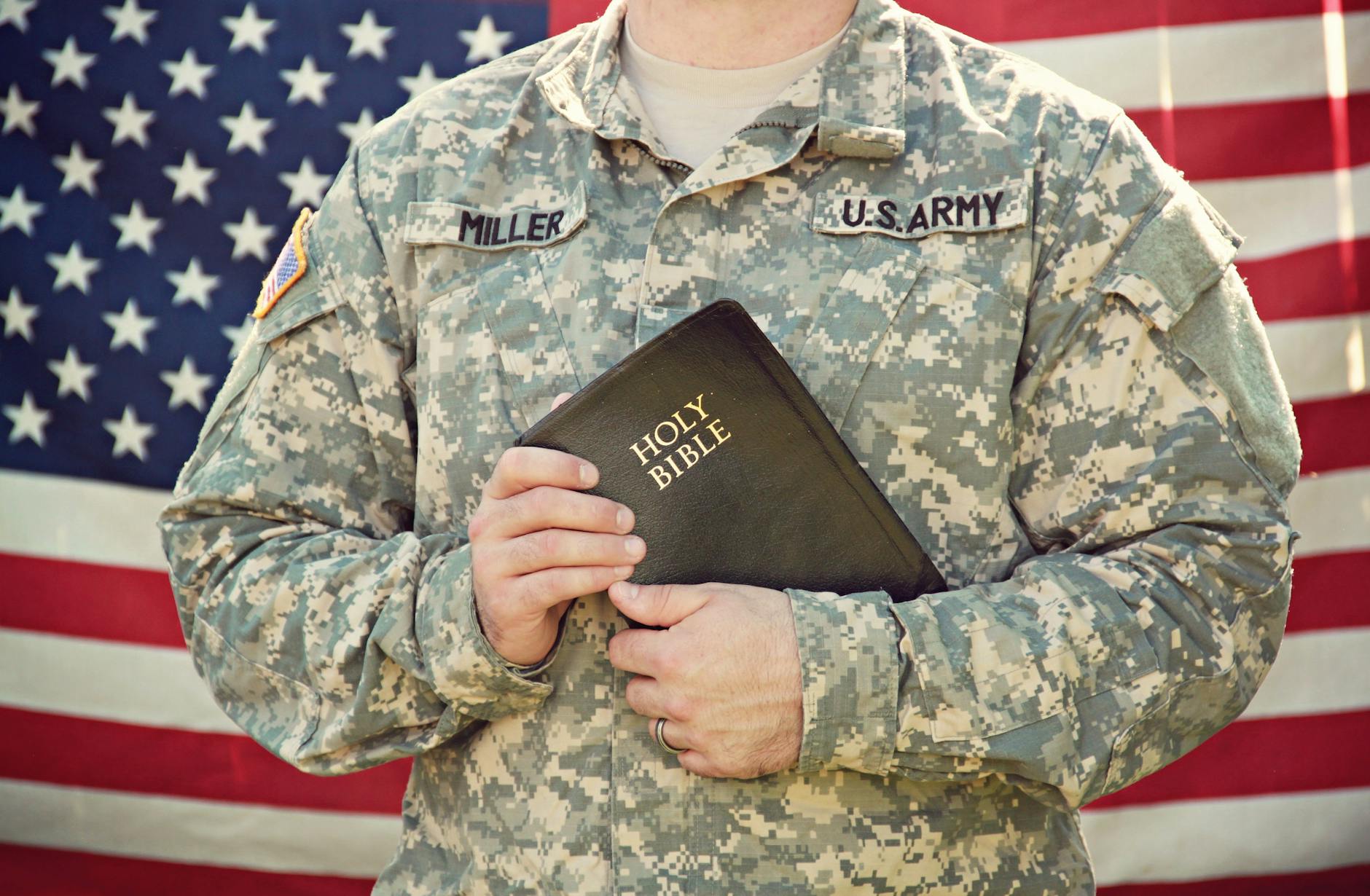
Lieutenant Jimmy Cross carries letters from Martha, a girl back home who probably doesn’t love him the way he loves her. But those letters aren’t really about Martha. They’re about having something to live for, something that exists beyond the chaos
We all have our “Martha letters.” That playlist that takes us back to better times. Photos on our phones. Dreams we revisit when reality gets too hard. Cross uses these letters to create a world where he’s not responsible for keeping young men alive in an impossible situation.
Numbing the Unbearable
Then there’s Ted Lavender and his stash of tranquilizers and “premium dope.” Before you judge, think about it—the guy was terrified. Who wouldn’t be? His drugs weren’t about getting high; they were about staying sane enough to function.
When Lavender dies (sorry, for the spoiler), his fellow soldiers smoke his remaining stash. It’s not a celebration, it’s survival. It’s their way of honoring him while dealing with the brutal reality that any of them could be next.
The Weight of Guilt
O’Brien doesn’t sugarcoat anything. When Lavender dies, Kiowa keeps repeating the word “concrete,” “The poor bastard just flat-out fell. Boom. Down. Nothing else. It was a bright morning in mid-April. LZ Gator, they called it. The whole thing, It was just boom-down, and then silence.”
That reaction? It’s shock. It’s the human brain trying to process something too big, too final. We’ve all been there, when something terrible happens and we keep replaying it, trying to make sense of the senseless.
But the real gut-punch comes from Lieutenant Cross’s guilt. O’Brien writes that Cross “felt shame. He hated himself. He has loved Martha more than his men, and as a consequence, Lavender was now dead, and this was something he would have to carry like a stone in his stomach for the rest of the war.”
That line about carrying guilt, “like a stone in his stomach,” feels like poetry. We all carry stones like that.
When Grief Explodes
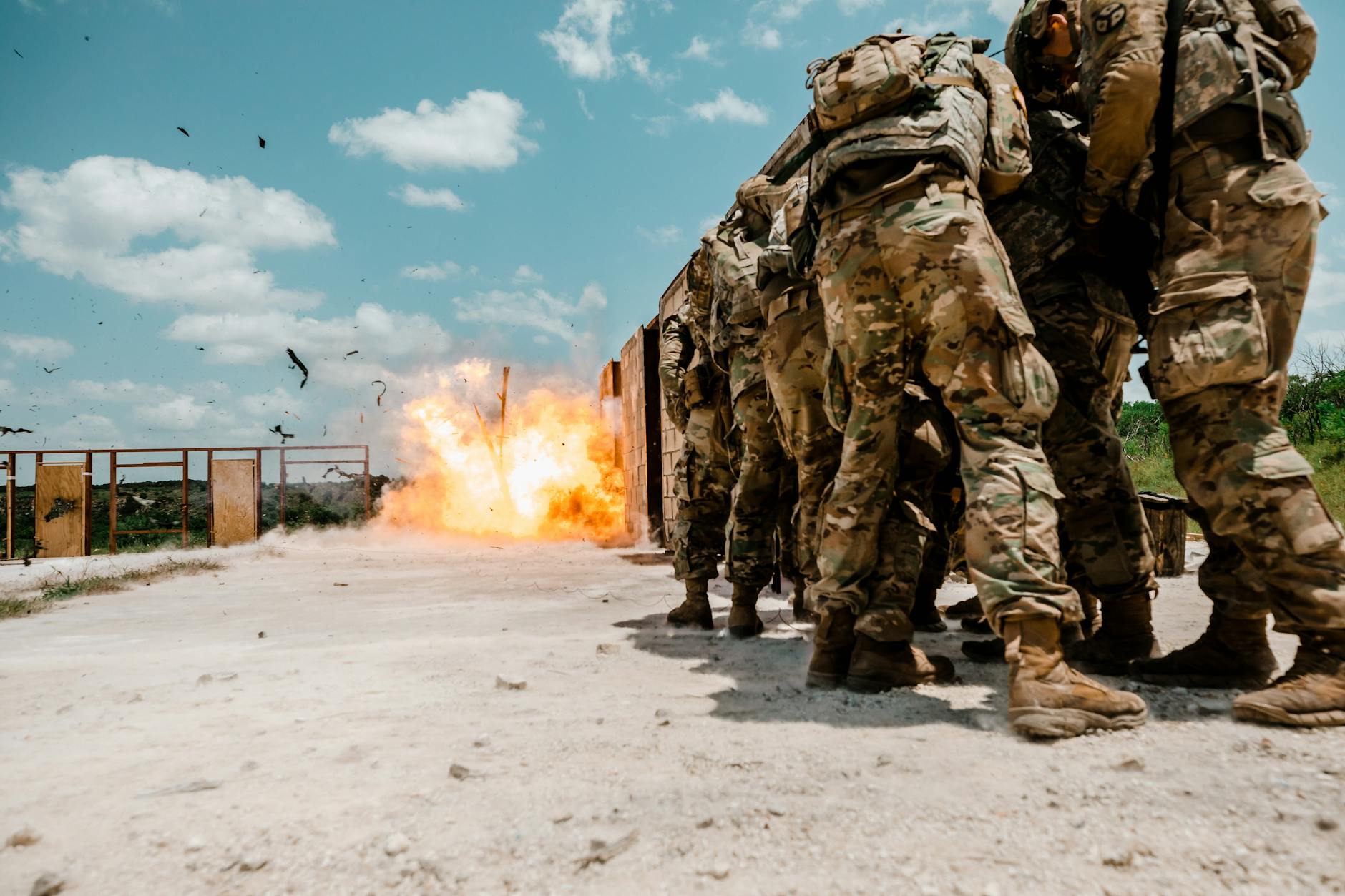
After Lavender’s death, the soldiers destroy the village of Than Khe. O’Brien describes how “They burned everything. They shot chickens and dogs, they trashed the village well, they called in artillery and watched the wreckage, then they marched for several hours through the hot afternoon and then at dusk, while Kiowa explained how Lavender died, Lieutenant Cross found himself trembling.” They burn everything, shoot animals, called in artillery. It’s overkill, and O’Brien knows it. But grief isn’t rational. Sometimes we need to break something external because we’re so broken internally.
The setting here isn’t just a place— it’s an emotional state. It’s what happens when people are pushed beyond their limits and they finally snap.
Flying Towards Hope
But then O’Brien gives us this incredible passage about the helicopter ride home. He writes about soldiers “flying,” feeling “the weights fall off,” soaring “over the clouds and the war, beyond duty, beyond gravity and mortification.”
Reading this, you can almost feel the relief. That moment when you realize you’ve survived something you weren’t sure you’d survive. The specific details—”over America, over the farms and the great sleeping cities and cemeteries and highways and the golden arches of McDonalds”— make it so real you can see it.
What You Need to Carry
Here’s what I love about O’Brien’s story, it doesn’t pretend war is noble or that survival is pretty. It just shows us people doing whatever they have to do to make it through another day. And isn’t that what we are all trying to do?
Whether you’re dealing with loss, depression, anxiety, career struggles, relationship issues, or just the general weight of existing in 2025, you’re carrying things. We all are. The question isn’t whether you’re strong enough, it’s deciding between what you’re willing to carry and what you need to put down.
The Things They Carried reminds us all that survival isn’t just about being tough enough to handle everything life throws at us. It’s about being human enough to admit what you’re carrying and smart enough to hold onto whatever keeps you going.
Sometimes that’s a letter from someone who might not love you back. Sometimes it’s a photo, a song, a memory, or even just the hope that tomorrow might be different. And sometimes, it’s something that numbs the pain just enough to get you through the day.
The point is, we’re all in this together. Literature like O’Brien’s helps us remember that our struggles, while deeply personal, are not uniquely ours. Others have walked similar paths and lived to tell about it.
And that, in itself, is hope.
What are you carrying today? What helps you survive when life gets too heavy? Remember, we are all in this together. Share your thoughts in the comments below.





 Kat McAdaragh
Leave a comment